








Museo de Sitio Xochicalco

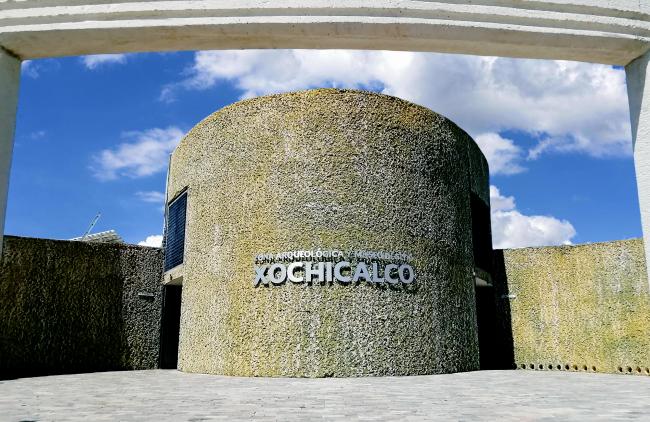
An ecological museum, a pioneer in Mexico, which through its rooms narrates the history, environment, worldview, technology, contributions and development of the indigenous city of Xochicalco.
The Xochicalco Site Museum exists to complement the experience of those visiting the archeological zone. It does so by informing them about pre-Hispanic history while preserving and protecting remains found on site, as well as obeying the guiding principle of sustainability. Visitors can interact with the museum through exhibits, activities, workshops, conferences, courses, and a cinema and theater.
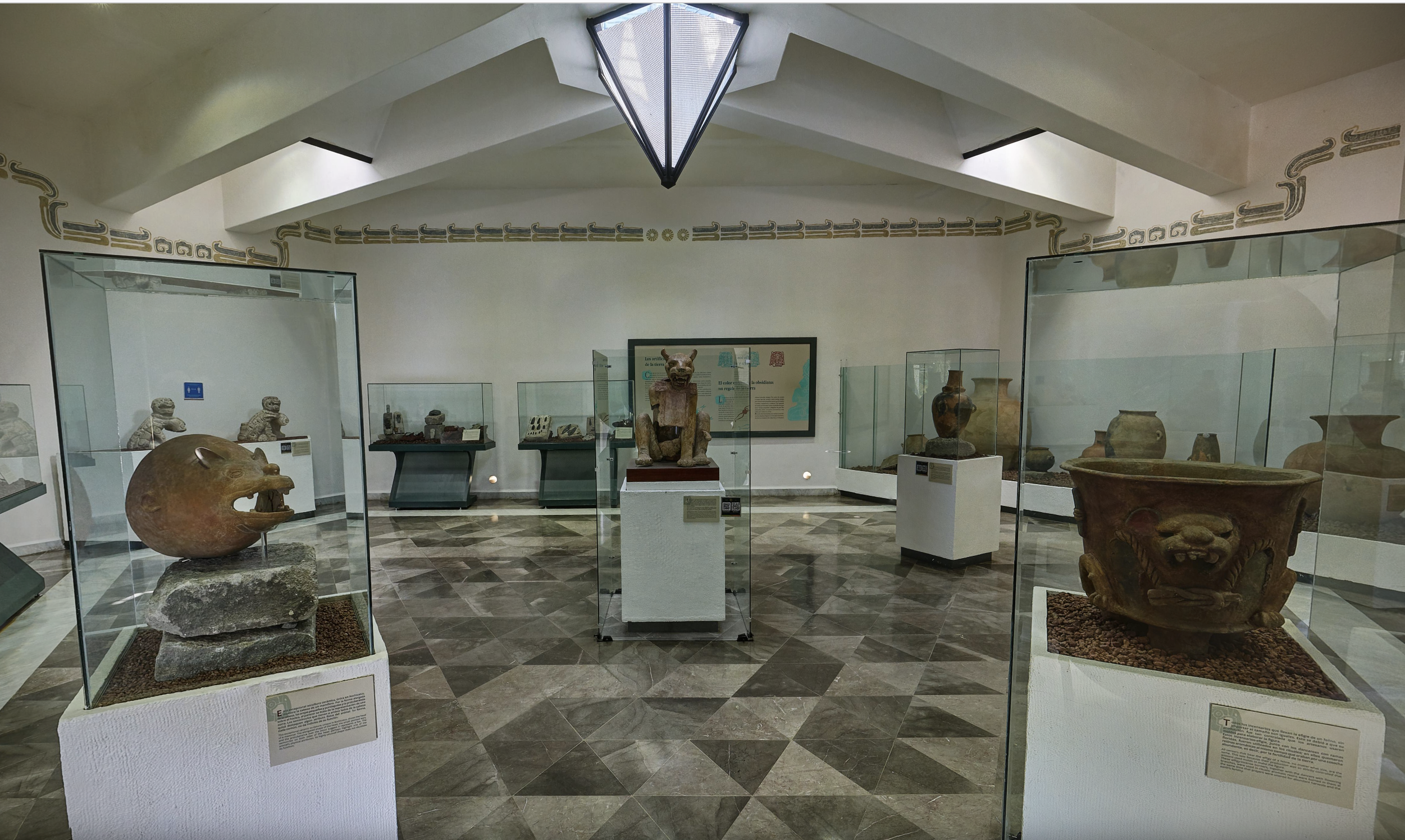
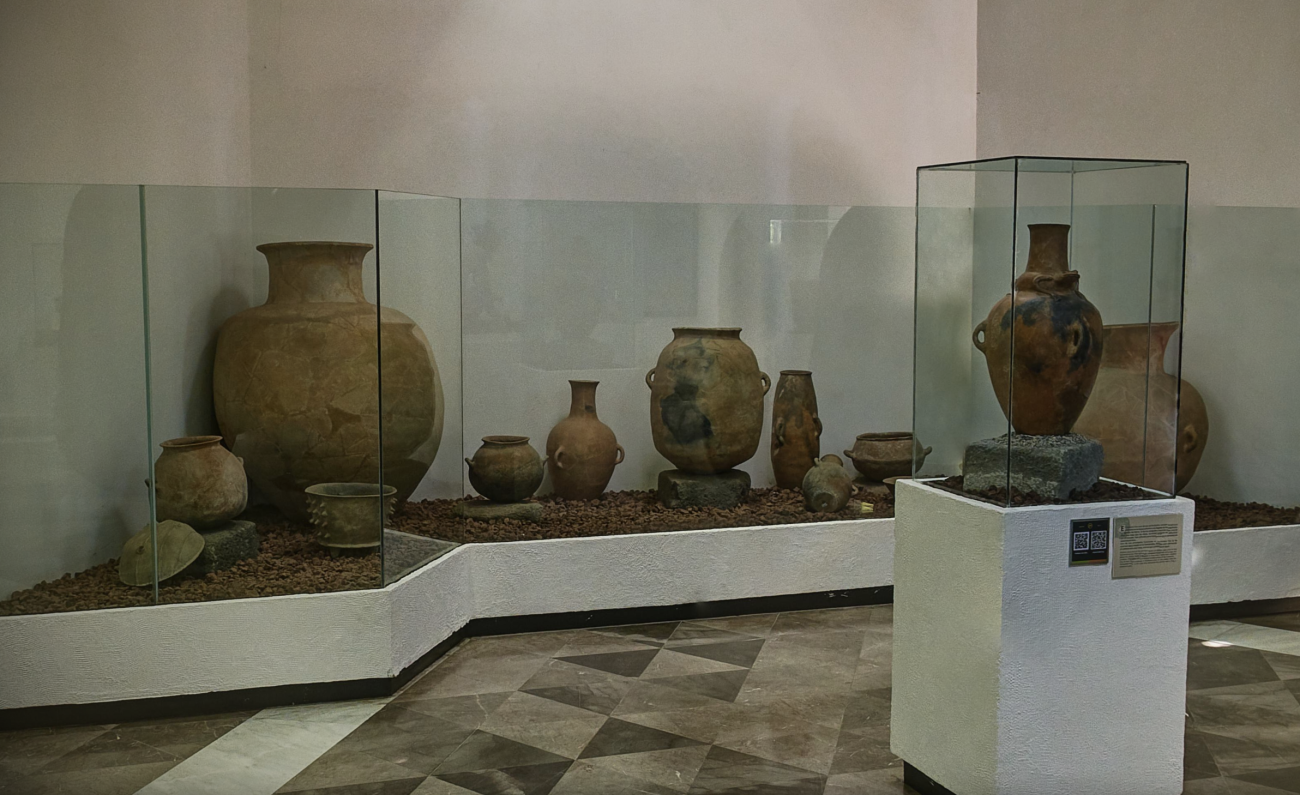
The Museum’s collection consists of archeological pieces recovered from the zone at different stages of its surveying and excavation. These range from the simplest pottery to highly complex sculptures decorated with intricate symbols.
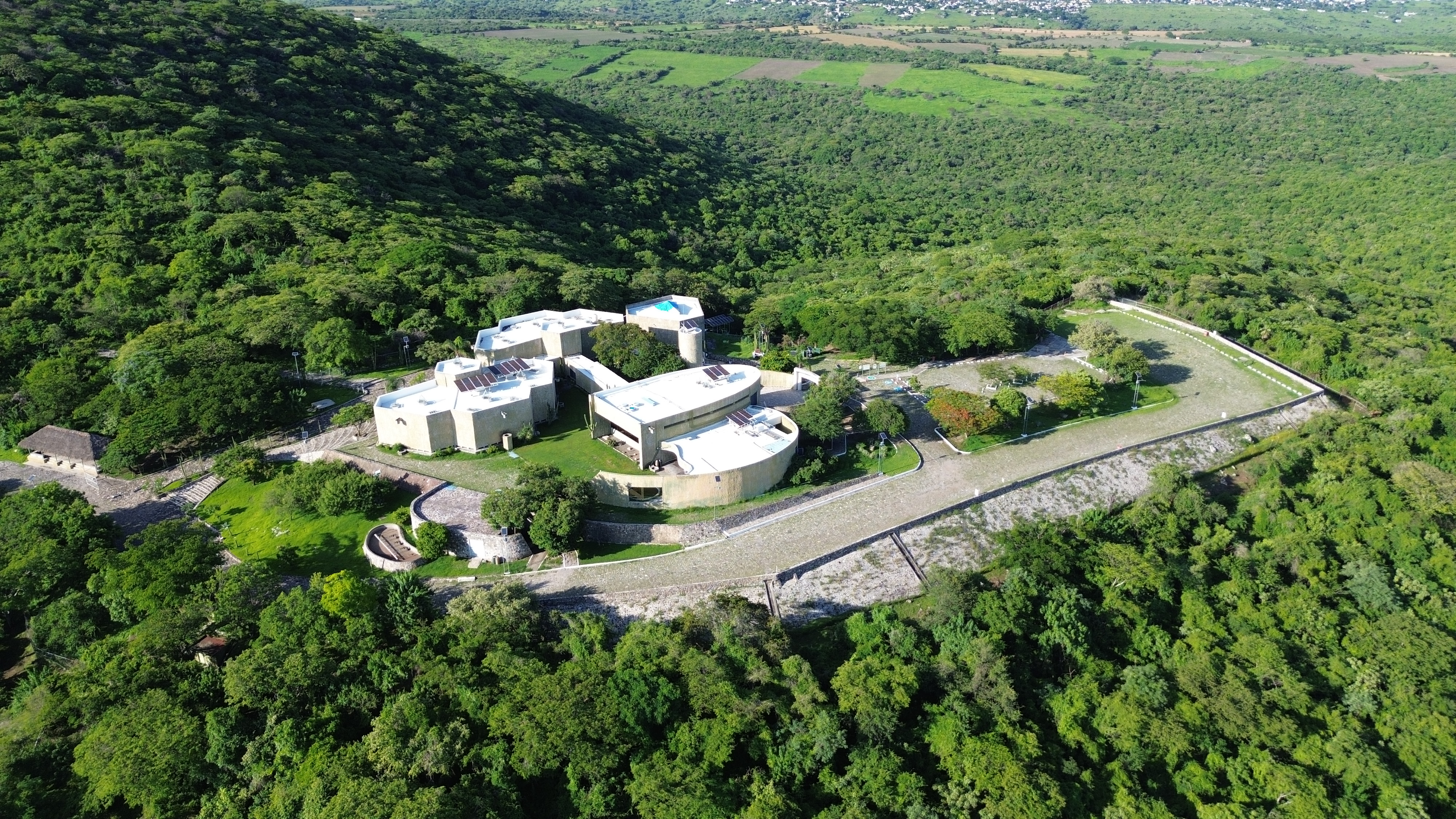
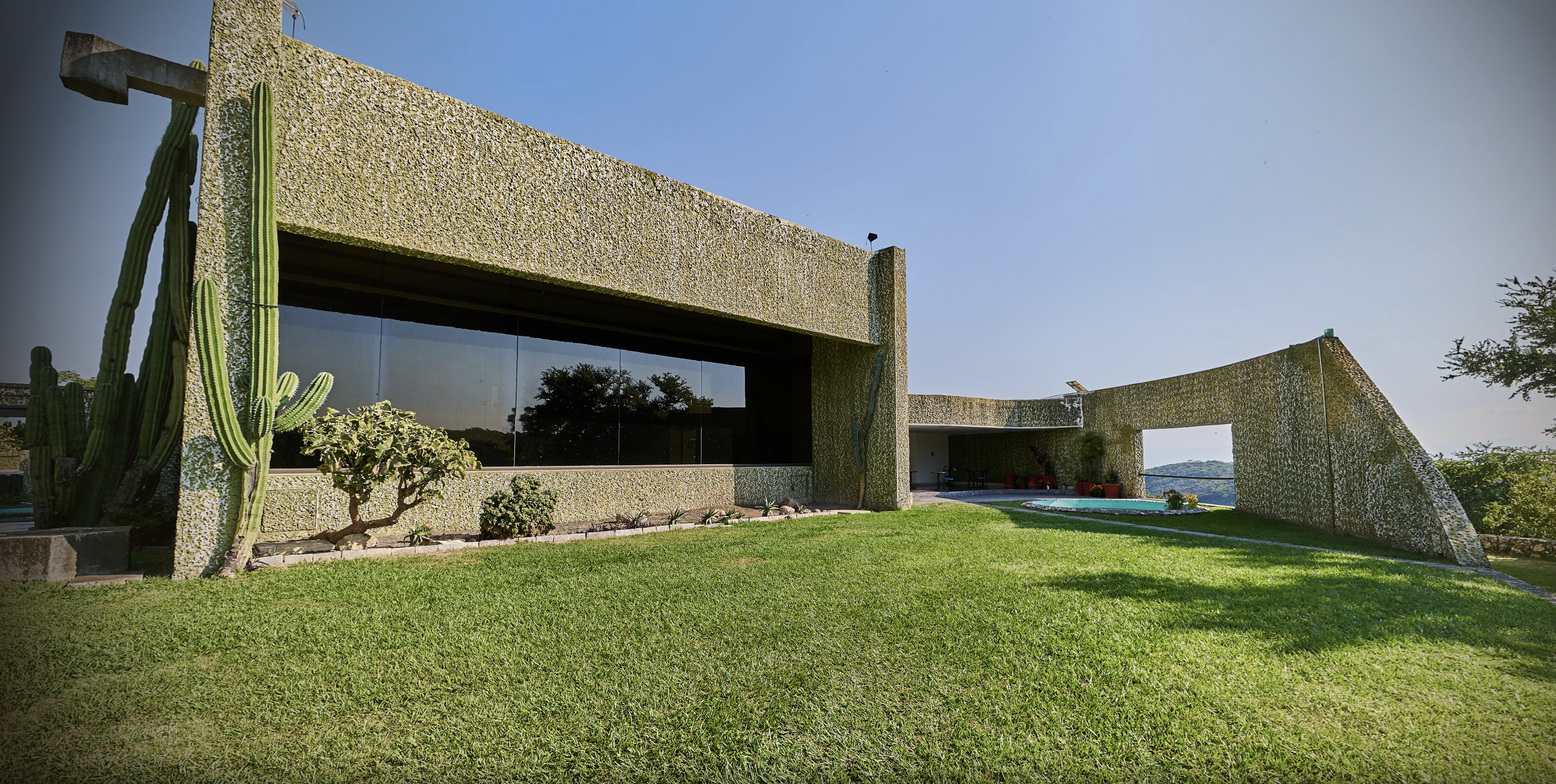
Conceived by the Mexican architect Rolando J. Dada y Lemus and occupying more than 4.4 acres, it is the first ecological museum in the world. It conveys and uses natural light, solar cells to transform sunlight into electricity, and captures rainwater on its roofs for storage in underground tanks, whilst wastewater is treated for watering the gardens.
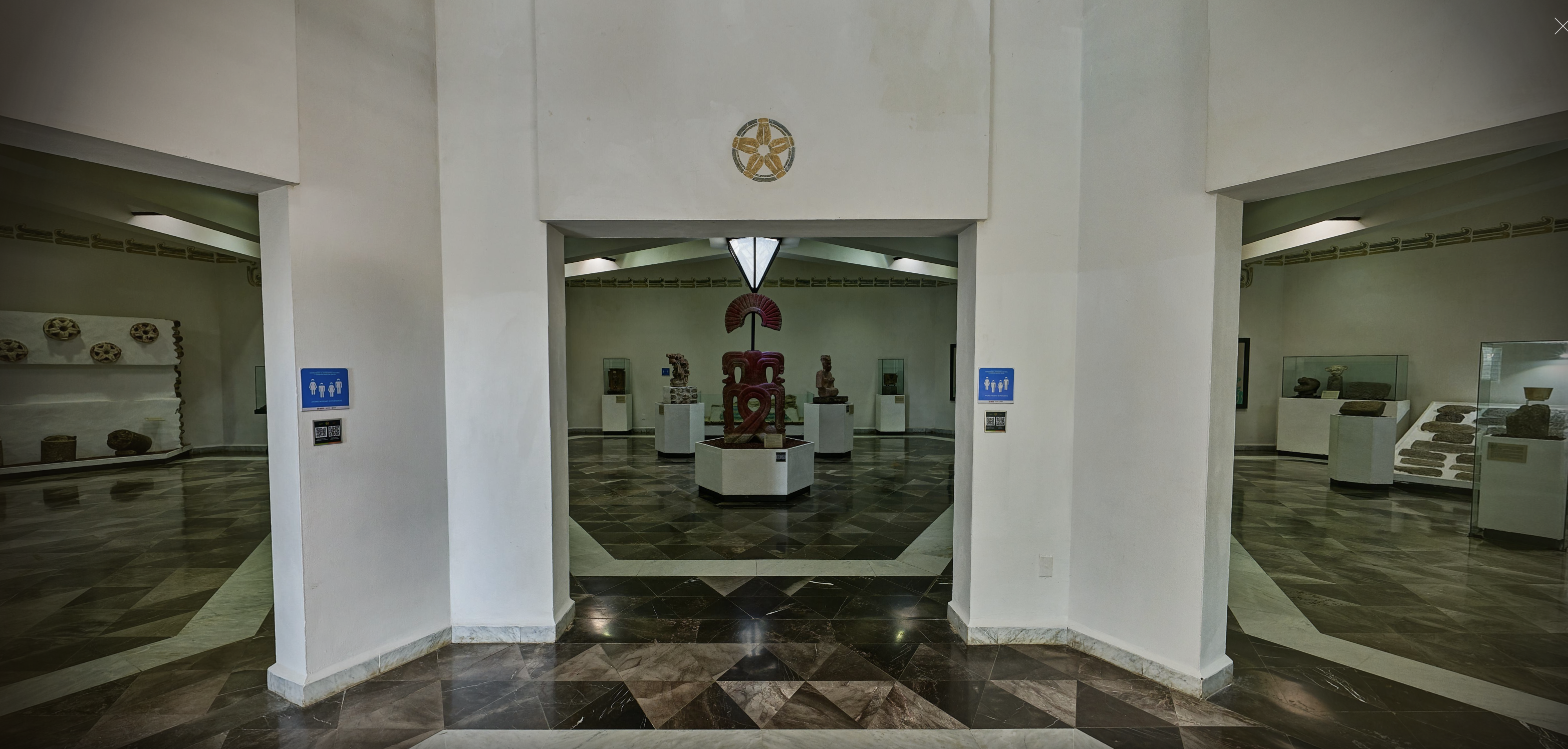
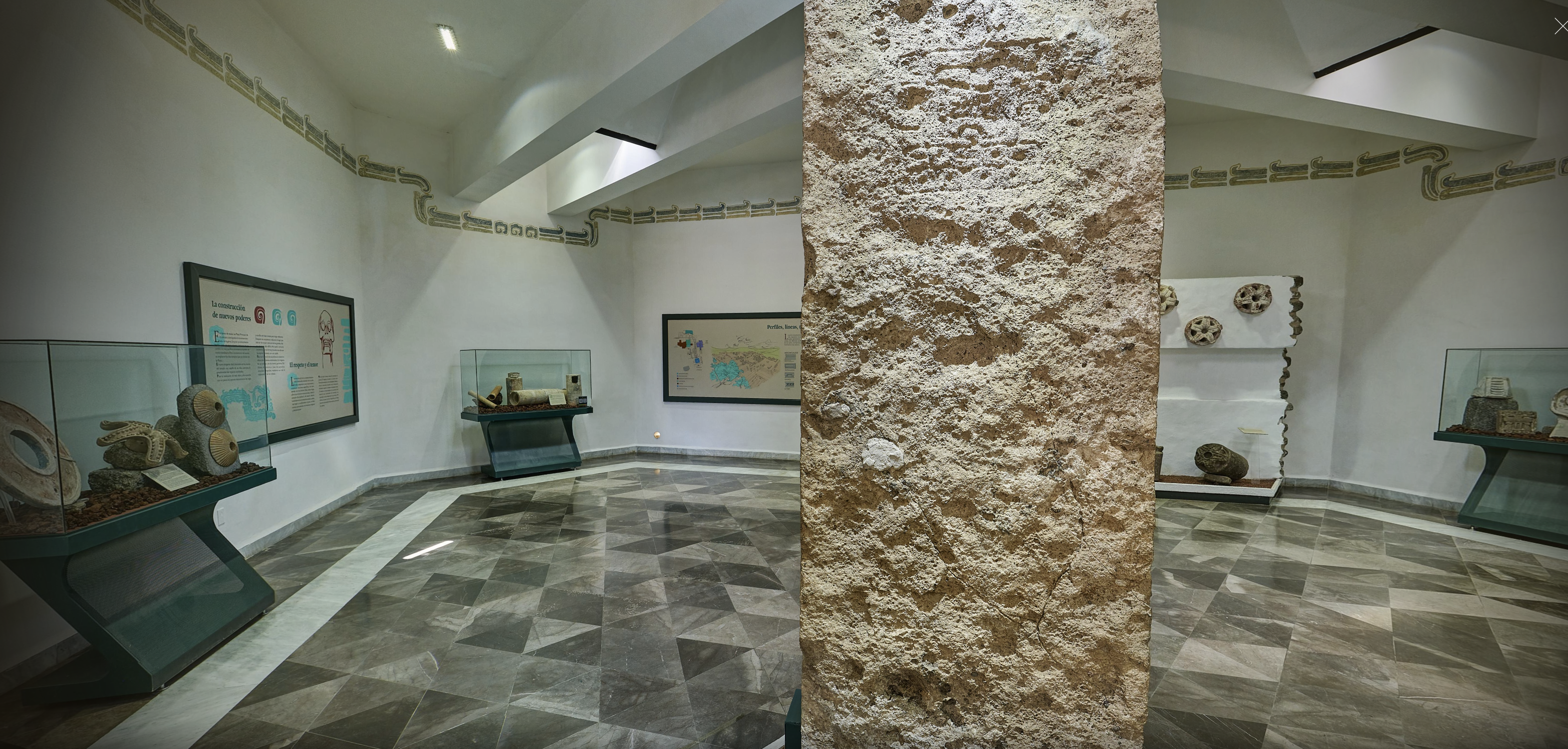
The Xochicalco Site Museum has six galleries and was inaugurated in 1996 to display objects from the archeological explorations of recent years, including the sculpture known as the “Red Man.” It also displays the history of Xochicalco from the eighth to the tenth century, as well as analyzing territorial aspects, trade relations with other towns and the close relationship the people of Xochicalco had with the flora and fauna. Moreover, it reveals their different social strata, the importance of war and the priesthood to their society, the city’s architectural elements, their skill at manufactuing both religious and everyday working objects. It evokes the importance of the ritual associated with the Mesoamerican ballgame, as well as conveying the atmosphere of their residential spaces with the recreation of a dwelling.
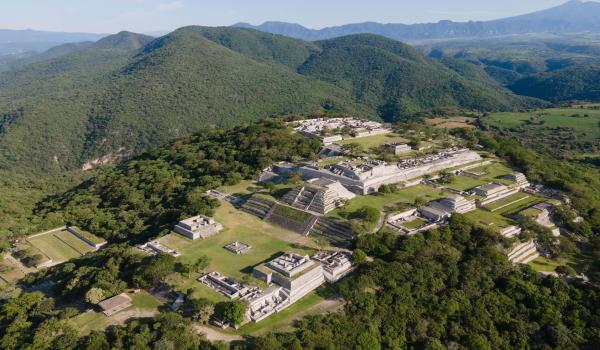
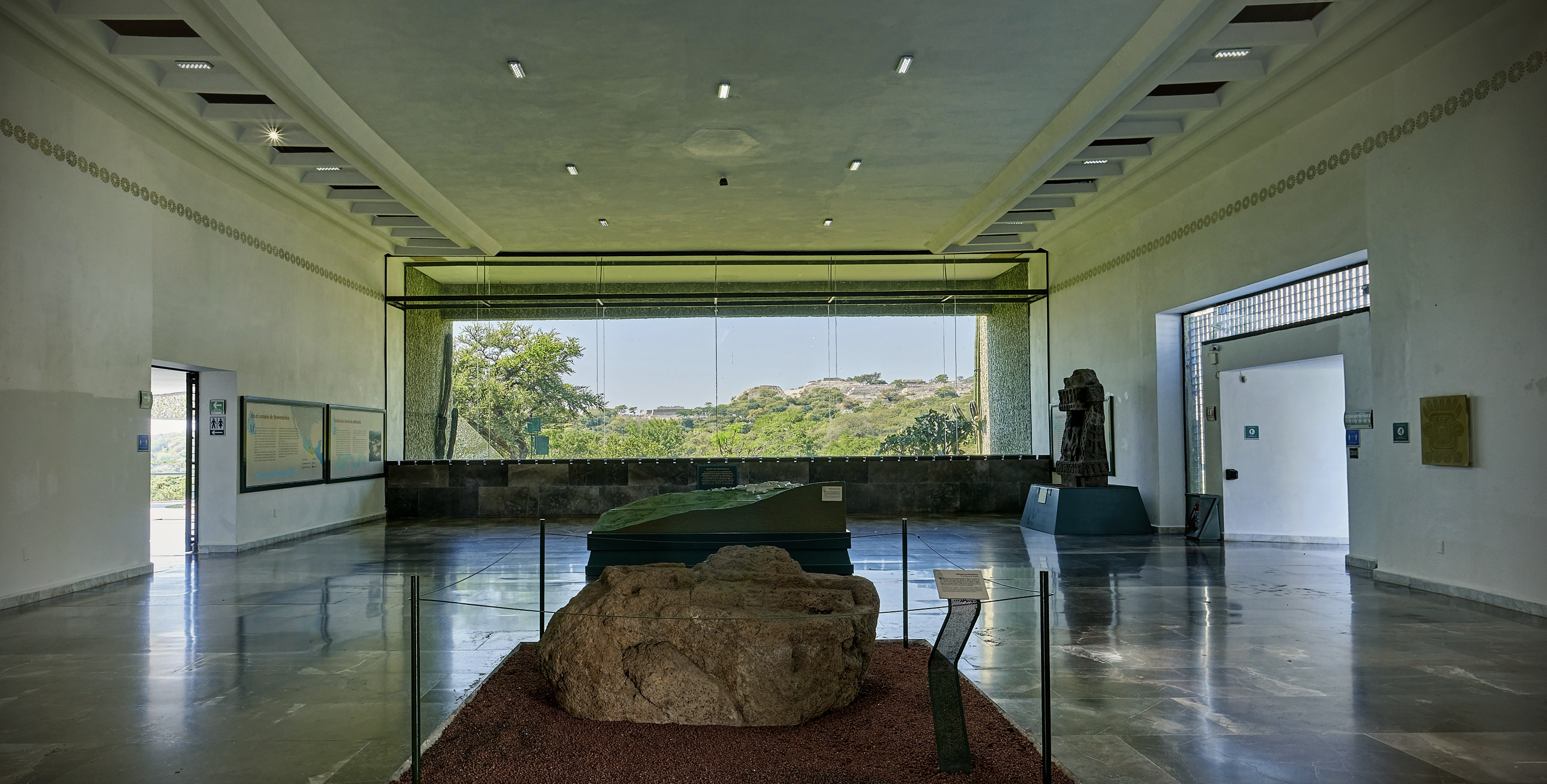
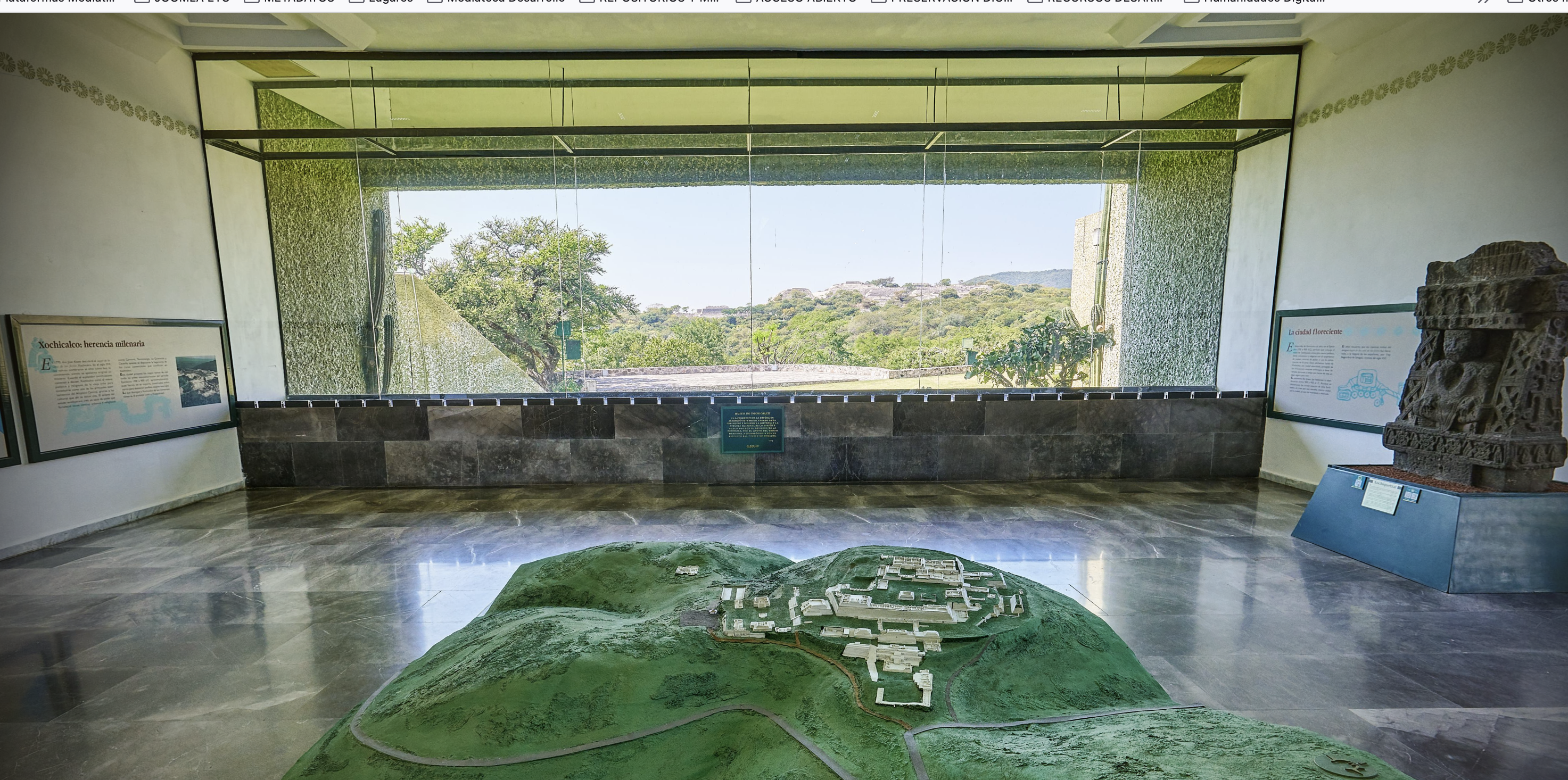
Visitors can appreciate the eastern side of the pre-Hispanic city through a large window in the building’s introductory gallery, which is also used for displaying temporary exhibits
The Gifts of the Earth, Givers of Life
This gallery explores the territory, the city, and its relationship with other states of the time. The “Lord of the Serpents,” a generic representation of the ruling nobility, introduces the theme of the room. The city’s territory extended from the Sierra of Chichinautztn to the Amacuzac region.…
The Gifts of the Earth, Givers of Life
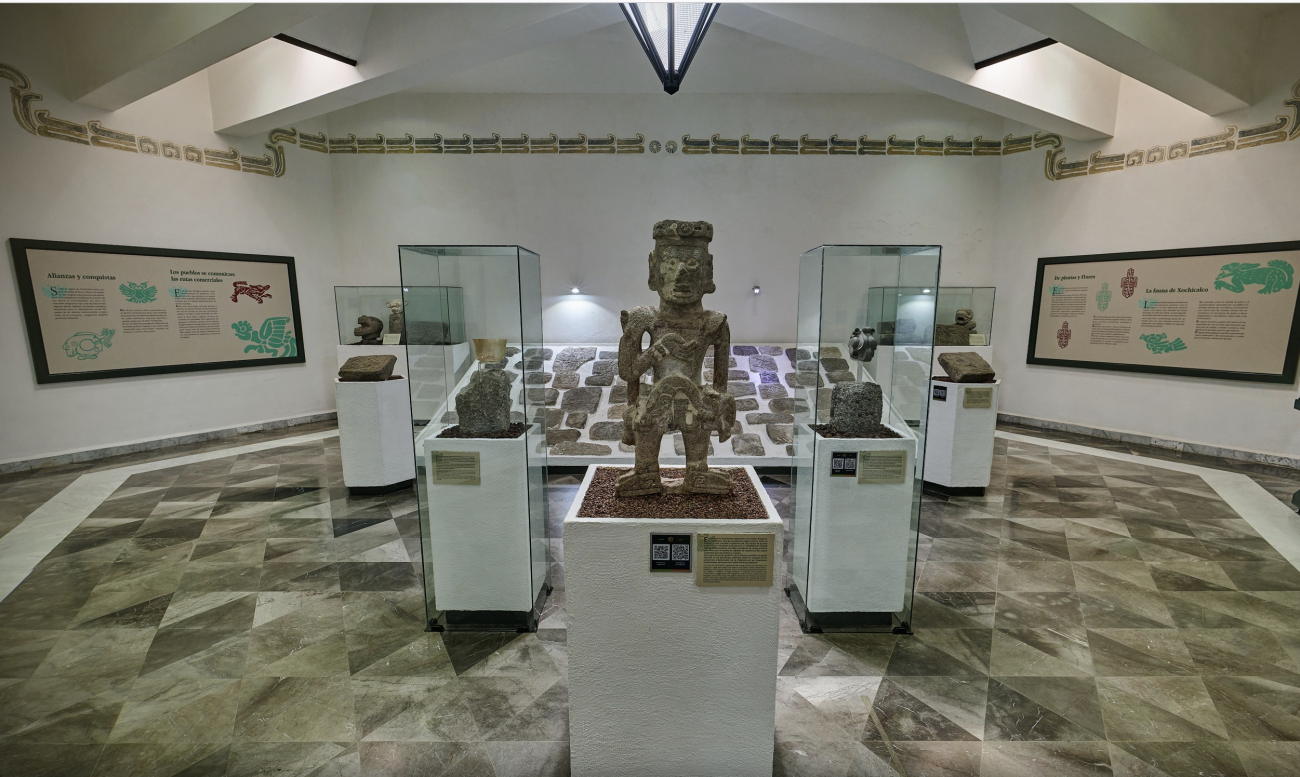
This gallery explores the territory, the city, and its relationship with other states of the time. The “Lord of the Serpents,” a generic representation of the ruling nobility, introduces the theme of the room. The city’s territory extended from the Sierra of Chichinautztn to the Amacuzac region. Within it, the Xochicalca people obtained all kinds of natural resources to meet their basic needs. Through pre-Hispanic reliefs and supporting graphics, the flora and fauna of the area are illustrated. Raw materials and ceramics speak of Xochicalco's trade relations.
Warrior Men; Priest Men
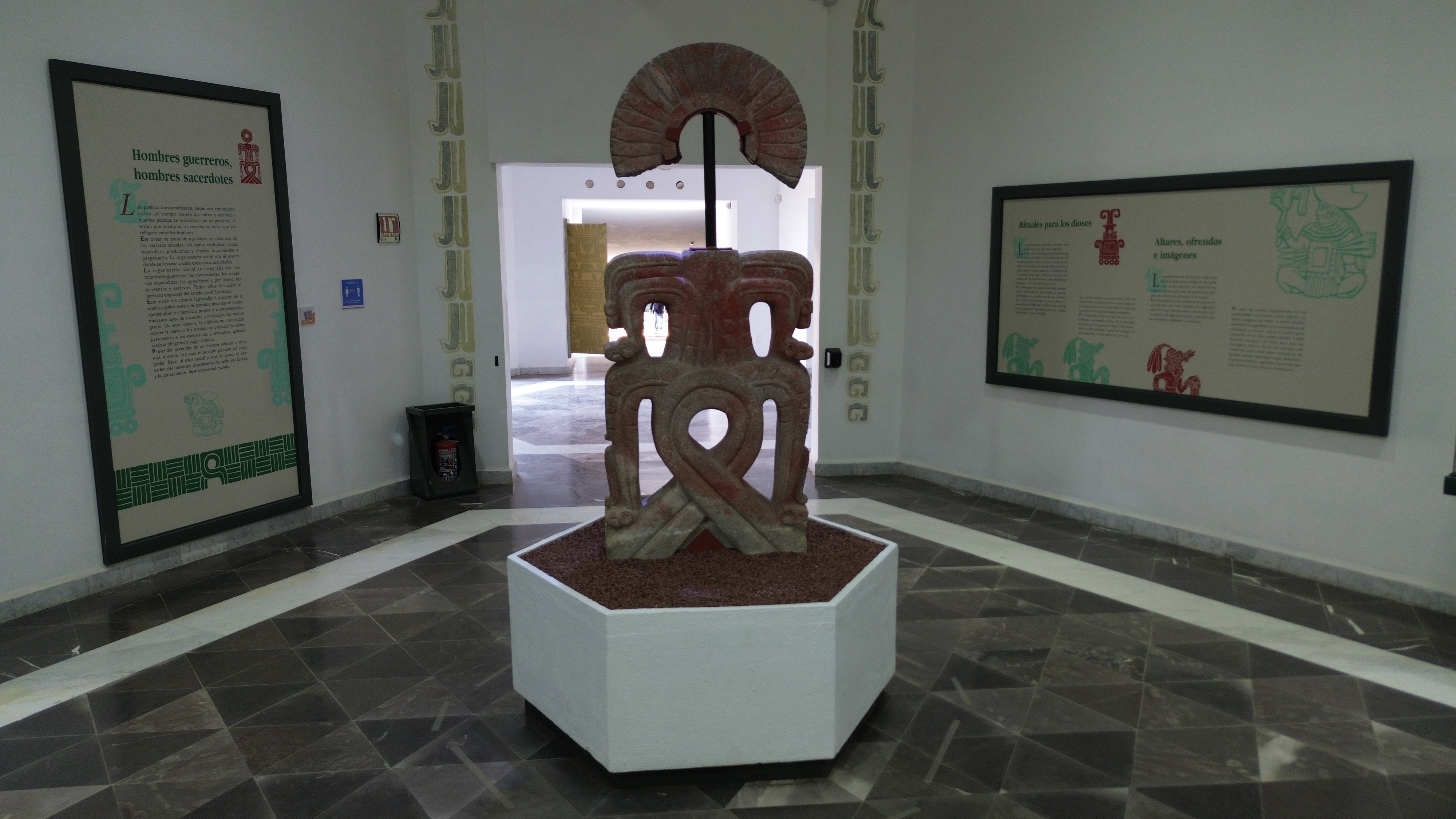
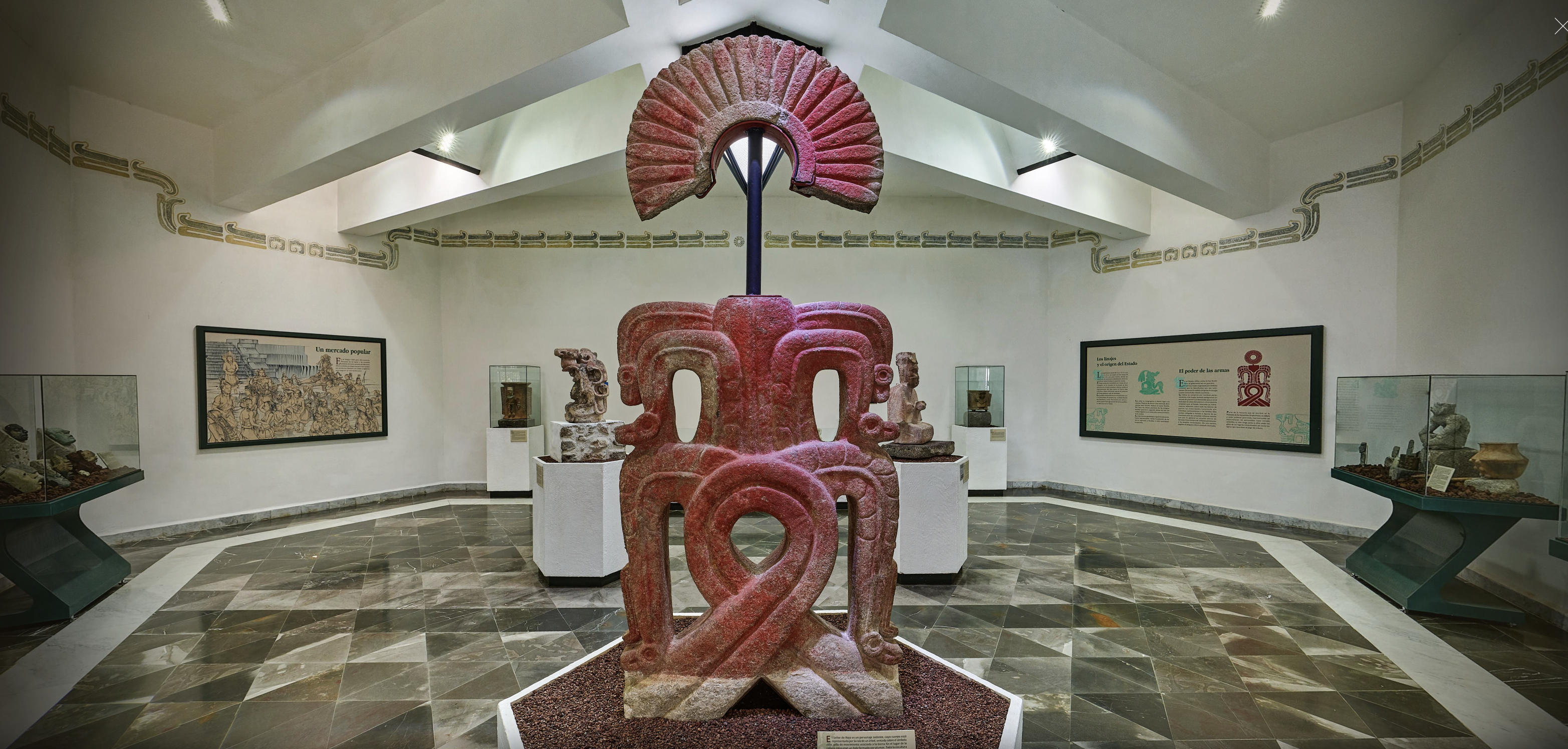
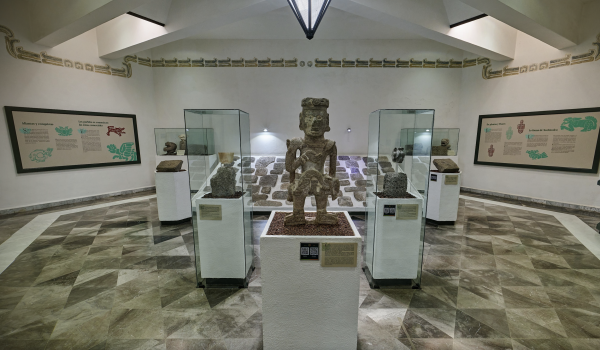
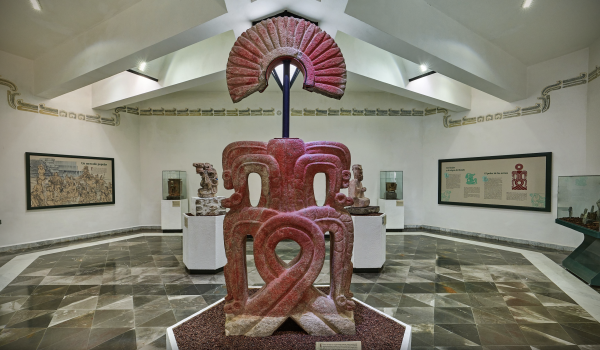
At the center of this gallery stands the striking sculpture of the “Lord in Red,” so named because it is a stylized representation of the sun god in human form, nourished by the earth, and because it was covered in large amounts of cinnabar. This figure introduces the theme of Xochicalco’s social…
Warrior Men; Priest Men
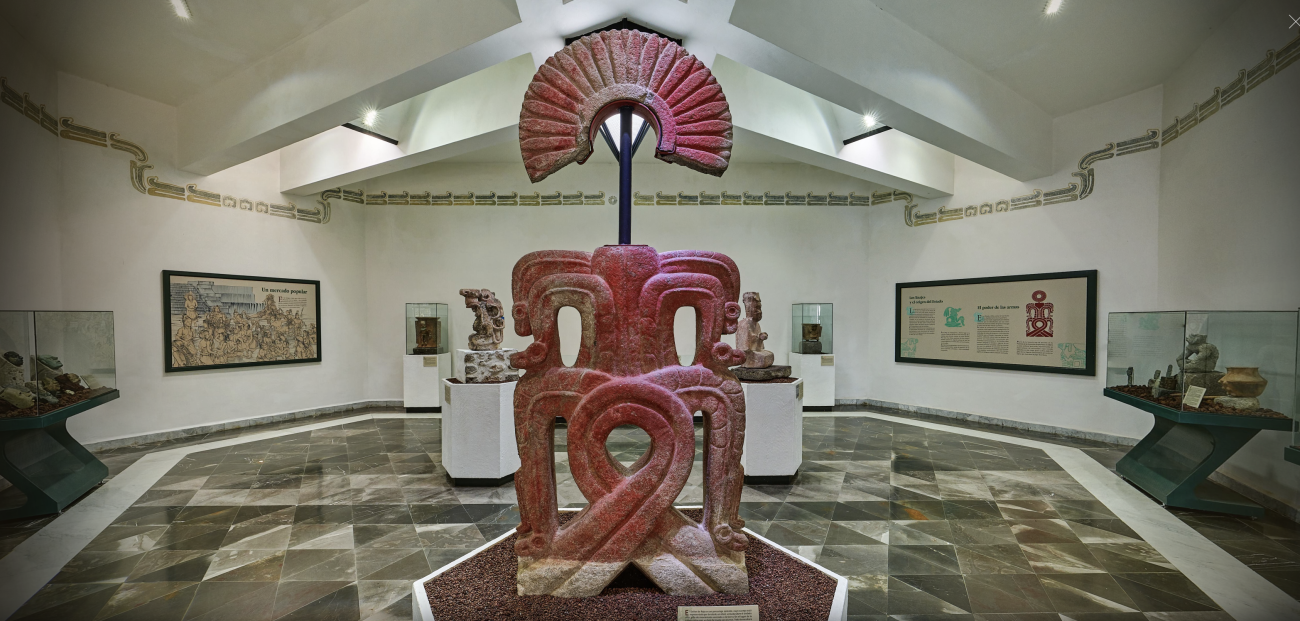
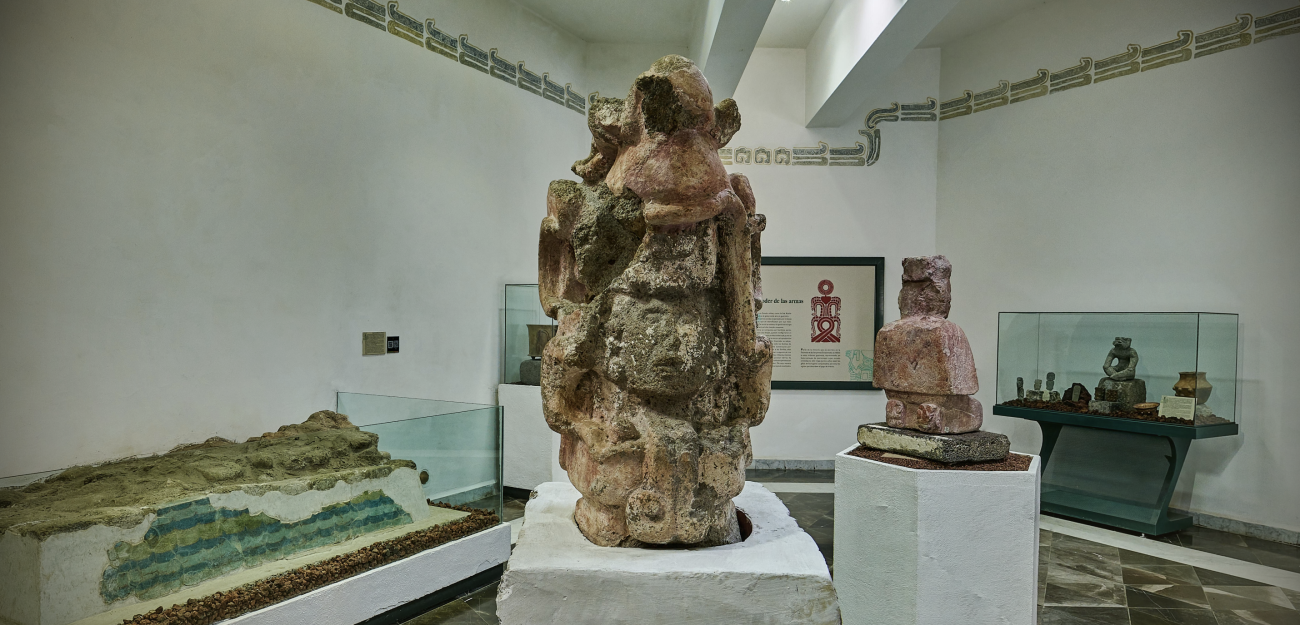
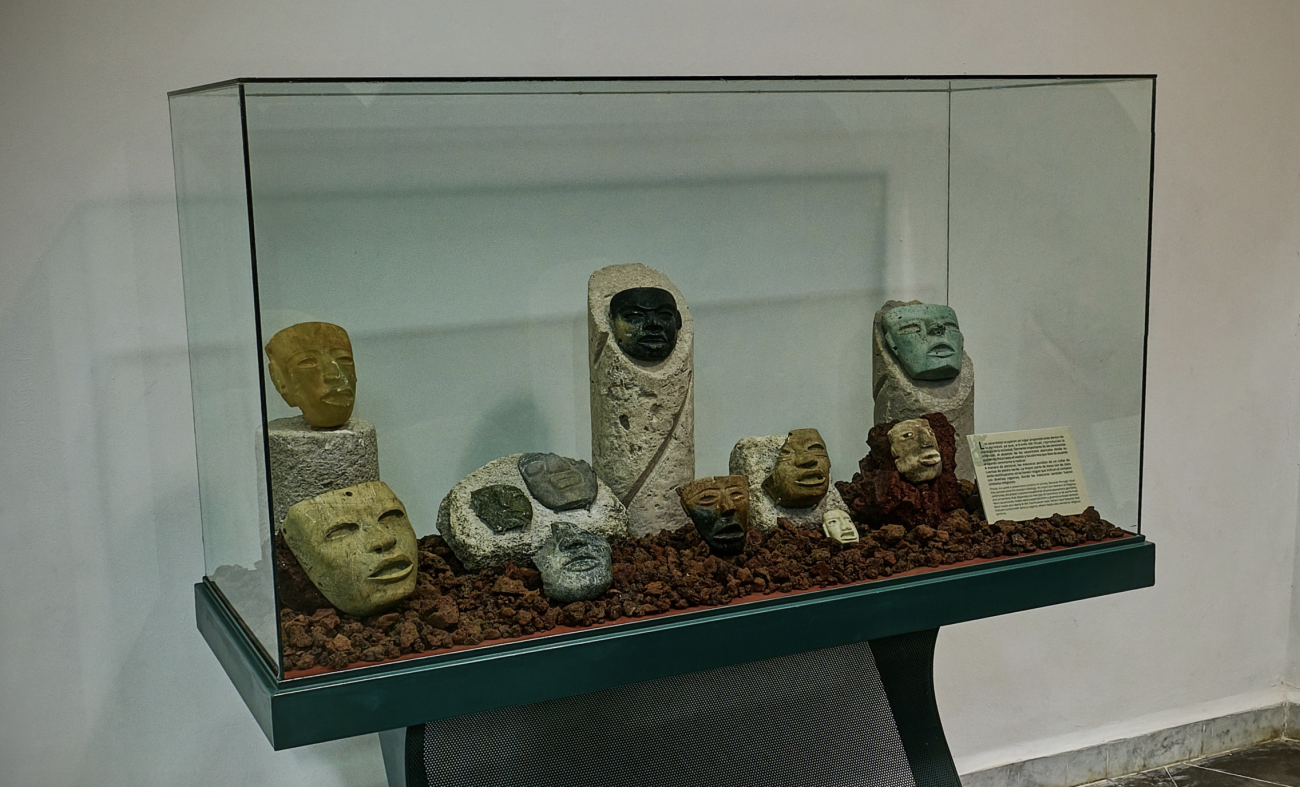
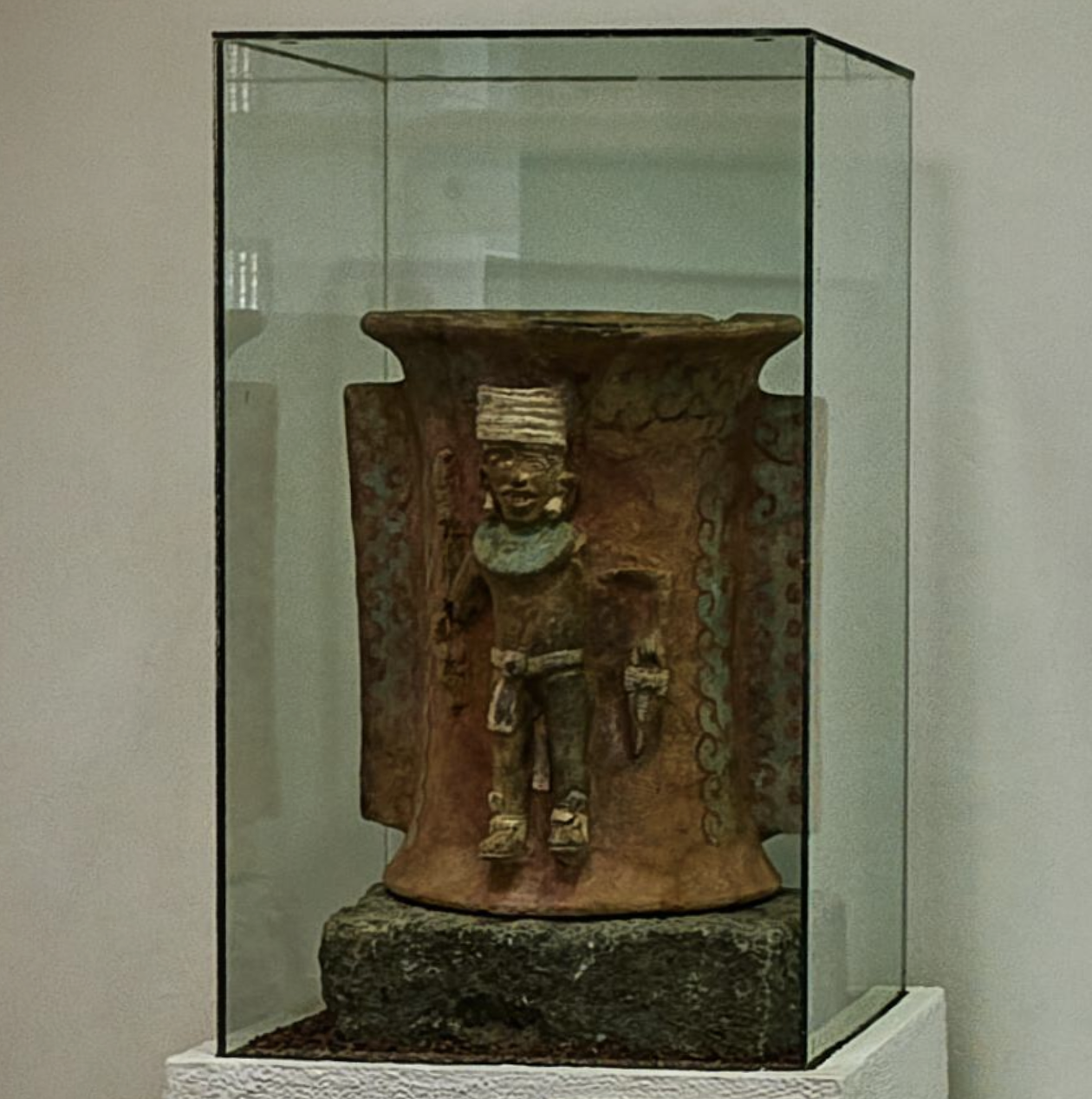
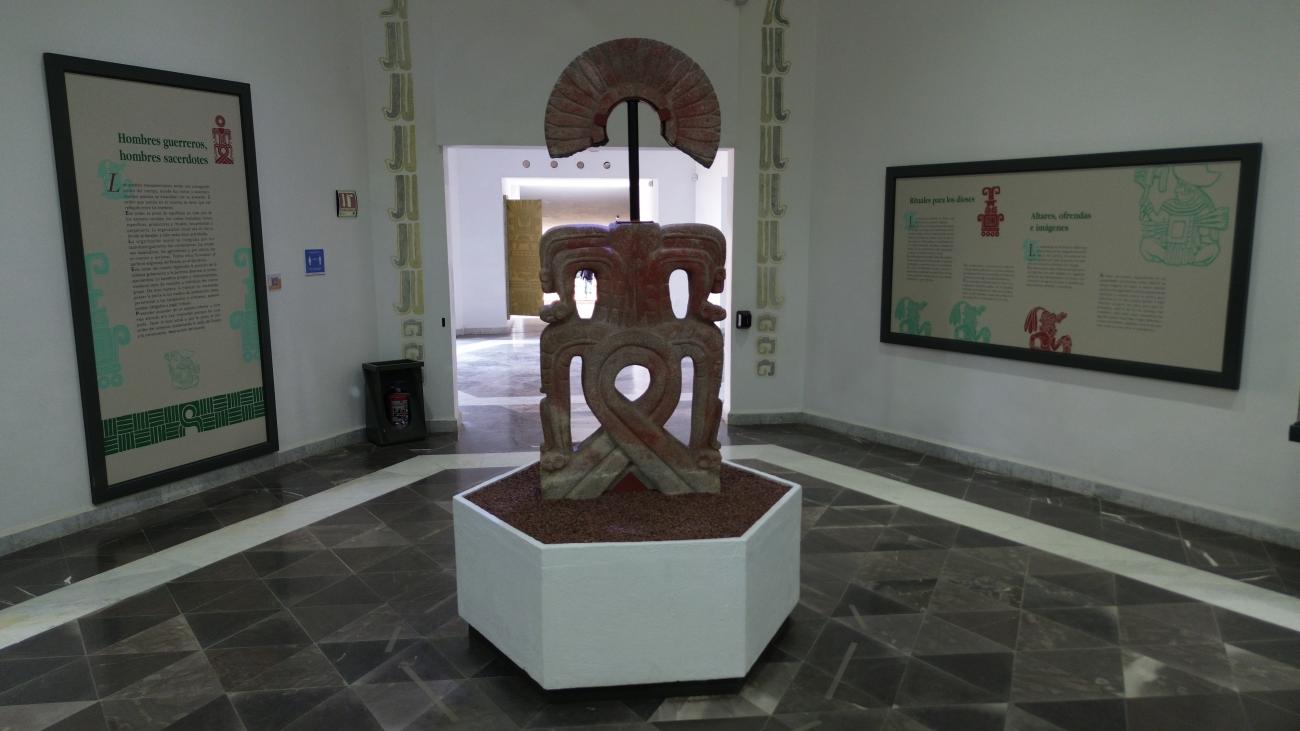
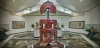
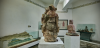
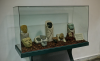
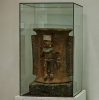

At the center of this gallery stands the striking sculpture of the “Lord in Red,” so named because it is a stylized representation of the sun god in human form, nourished by the earth, and because it was covered in large amounts of cinnabar. This figure introduces the theme of Xochicalco’s social organization, which included nobility, priests, warriors, artisans, farmers, servants, and slaves. The exhibited objects correspond to different social strata, allowing comparisons between them.
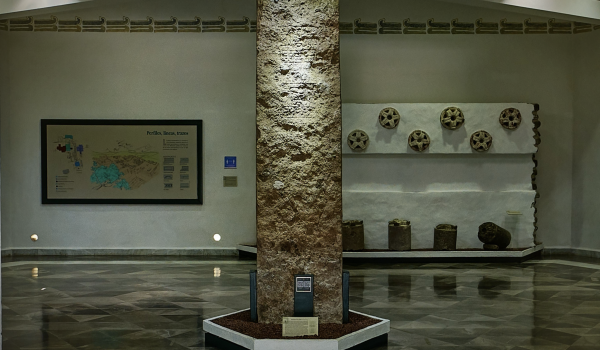
Xochicalco, Refuge of Men
Architectural cross-sections are used to display sculptural pieces that once decorated buildings, emphasizing both the architecture and the rich, diverse ornamentation that characterized the city—mostly associated with fertility. The exhibition centers around the "Stela of the Two Glyphs," a…
Xochicalco, Refuge of Men
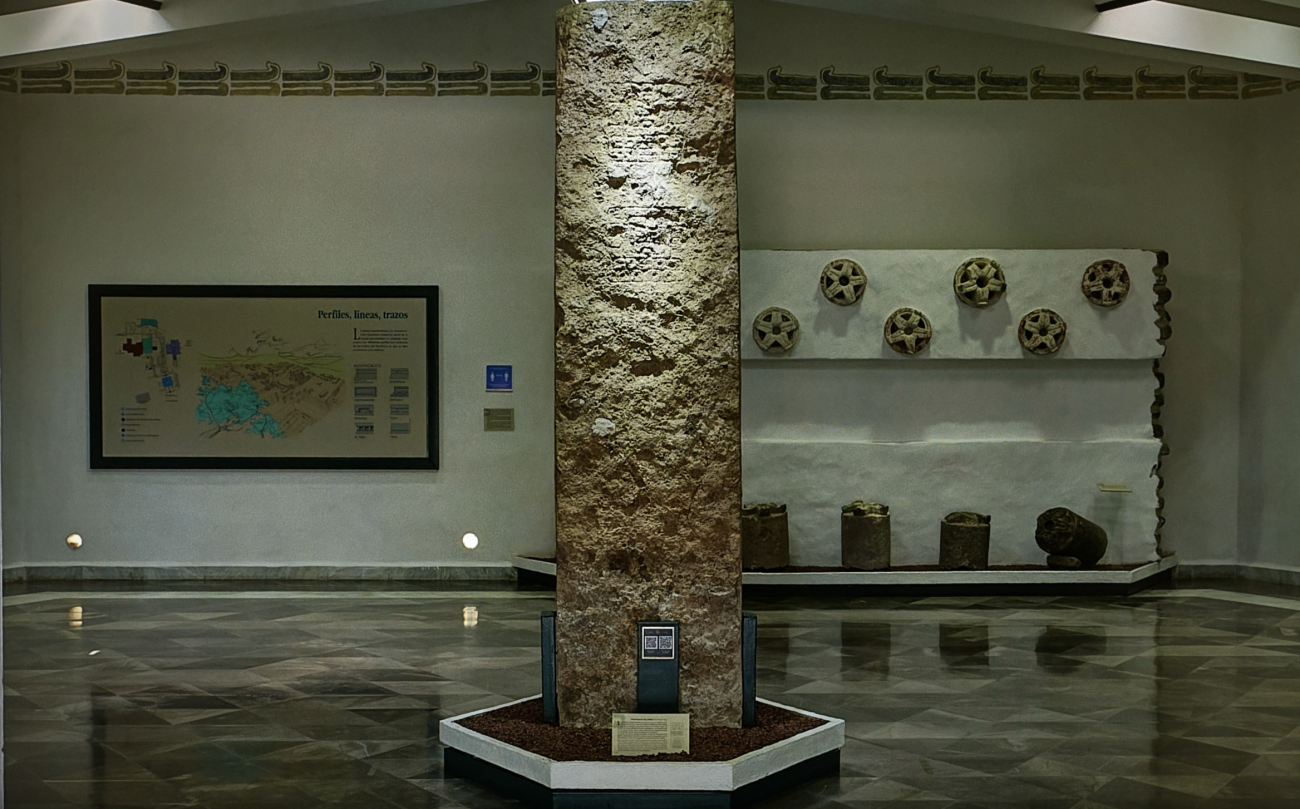
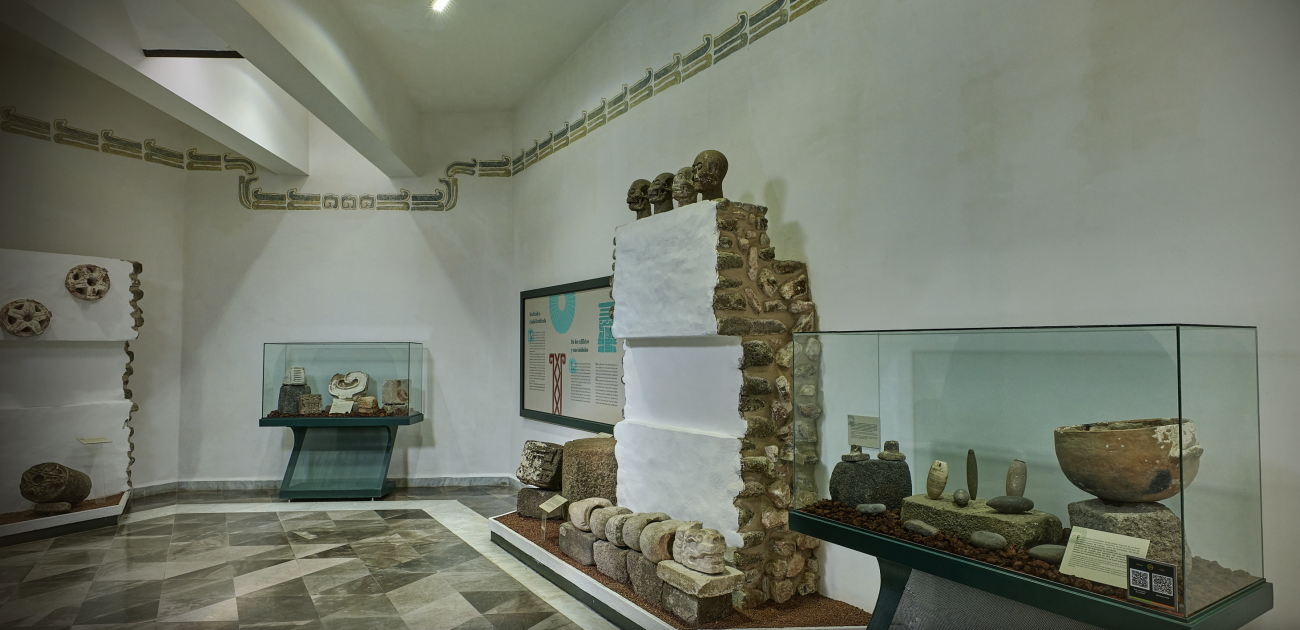
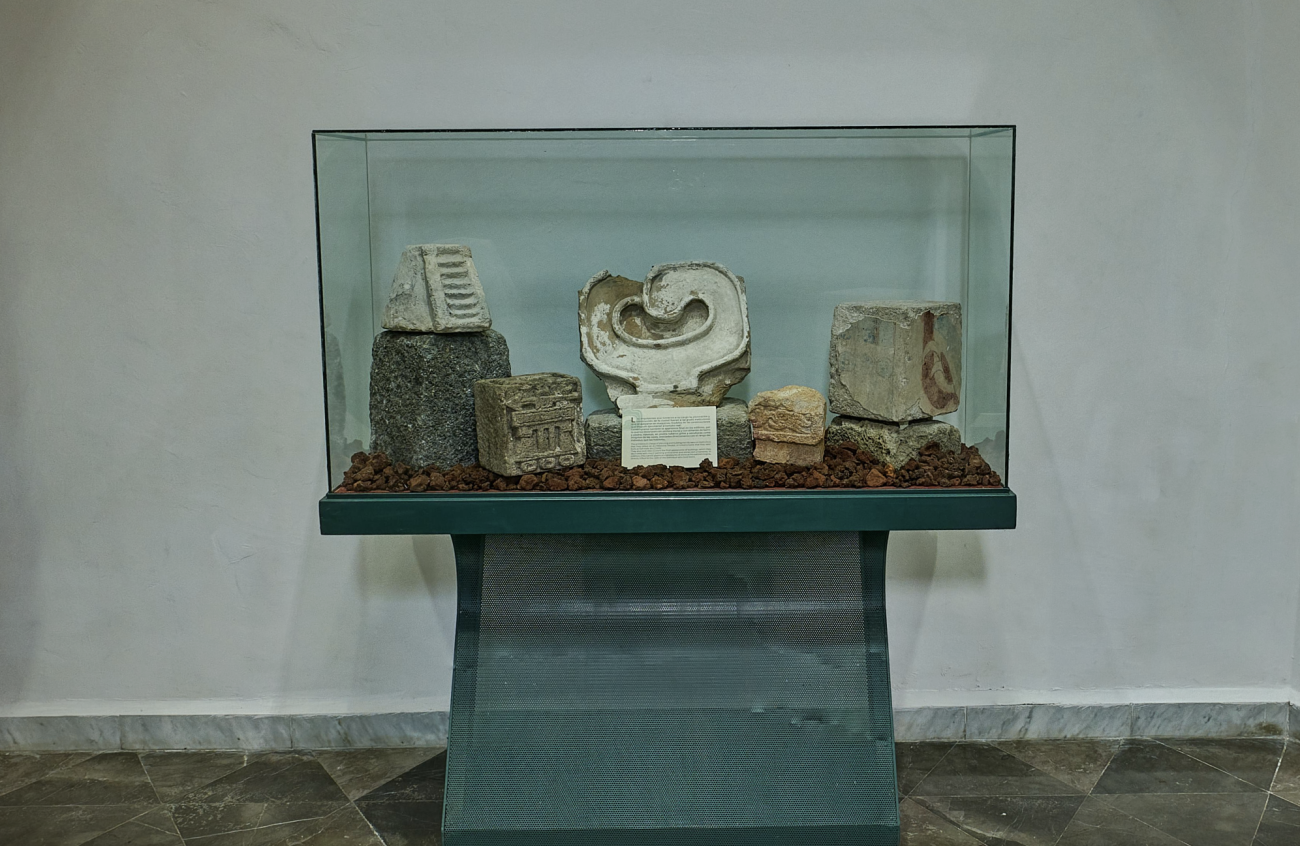
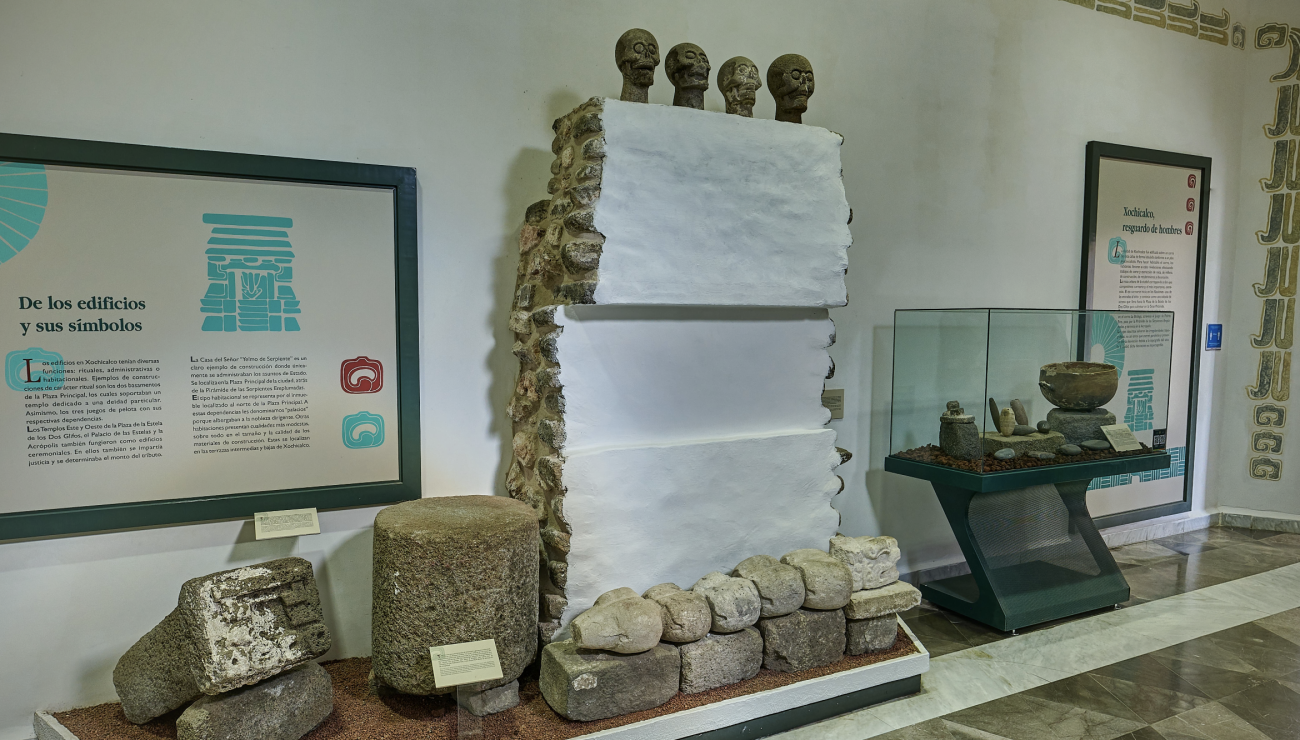
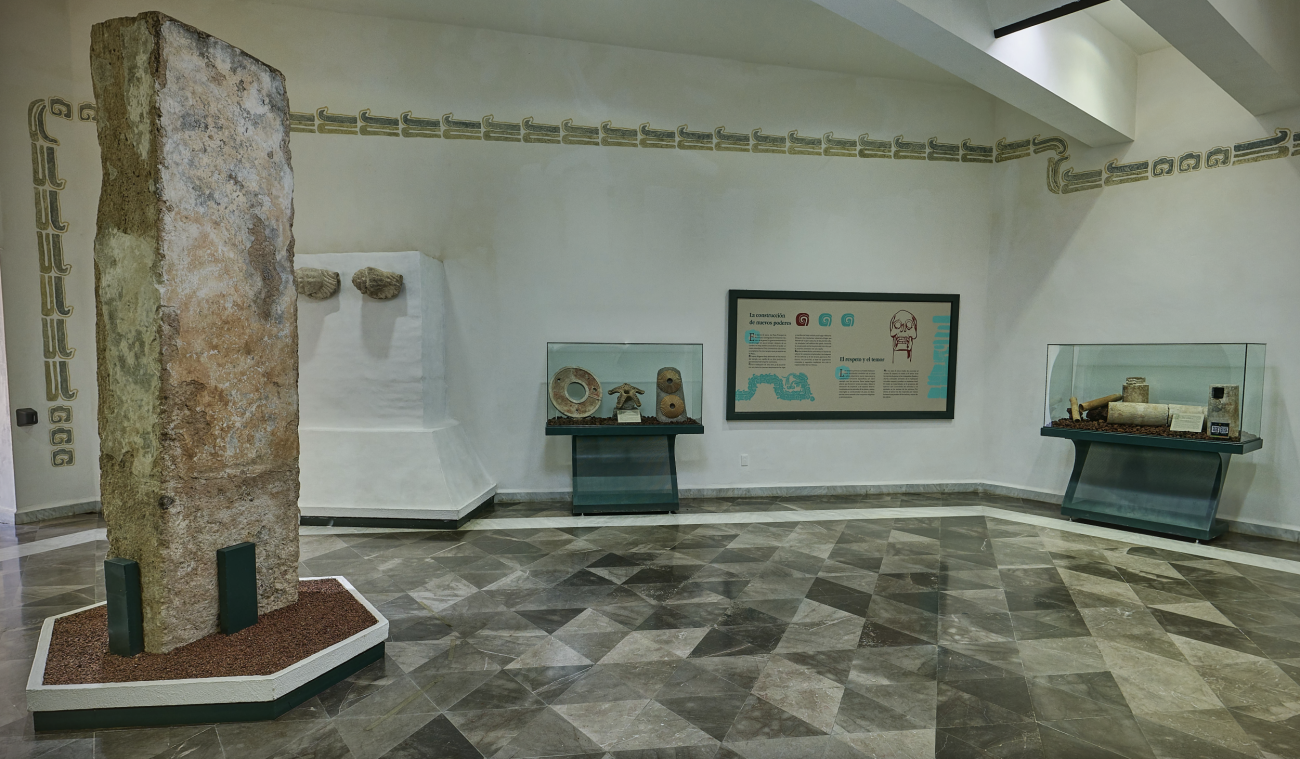

Architectural cross-sections are used to display sculptural pieces that once decorated buildings, emphasizing both the architecture and the rich, diverse ornamentation that characterized the city—mostly associated with fertility. The exhibition centers around the "Stela of the Two Glyphs," a monolith engraved with two calendrical glyphs, probably linked to an important event in Xochicalco’s history.
Creative Hands, Delicate Artists
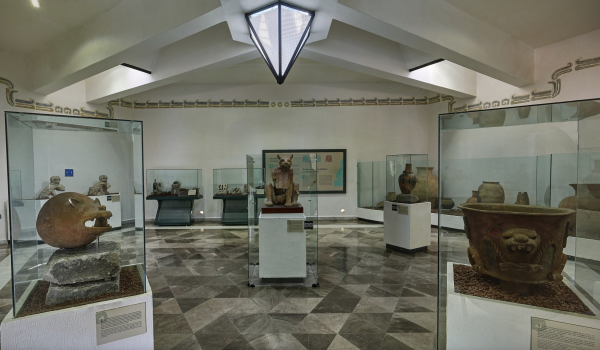
This room explores the tools and objects of daily life, as well as items linked to religious practices and personal adornment. One of the featured pieces is a ceramic jaguar, which exemplifies the creativity and skill of the artisans. It is surrounded by other beautiful ceramic sculptures, such as…
Creative Hands, Delicate Artists
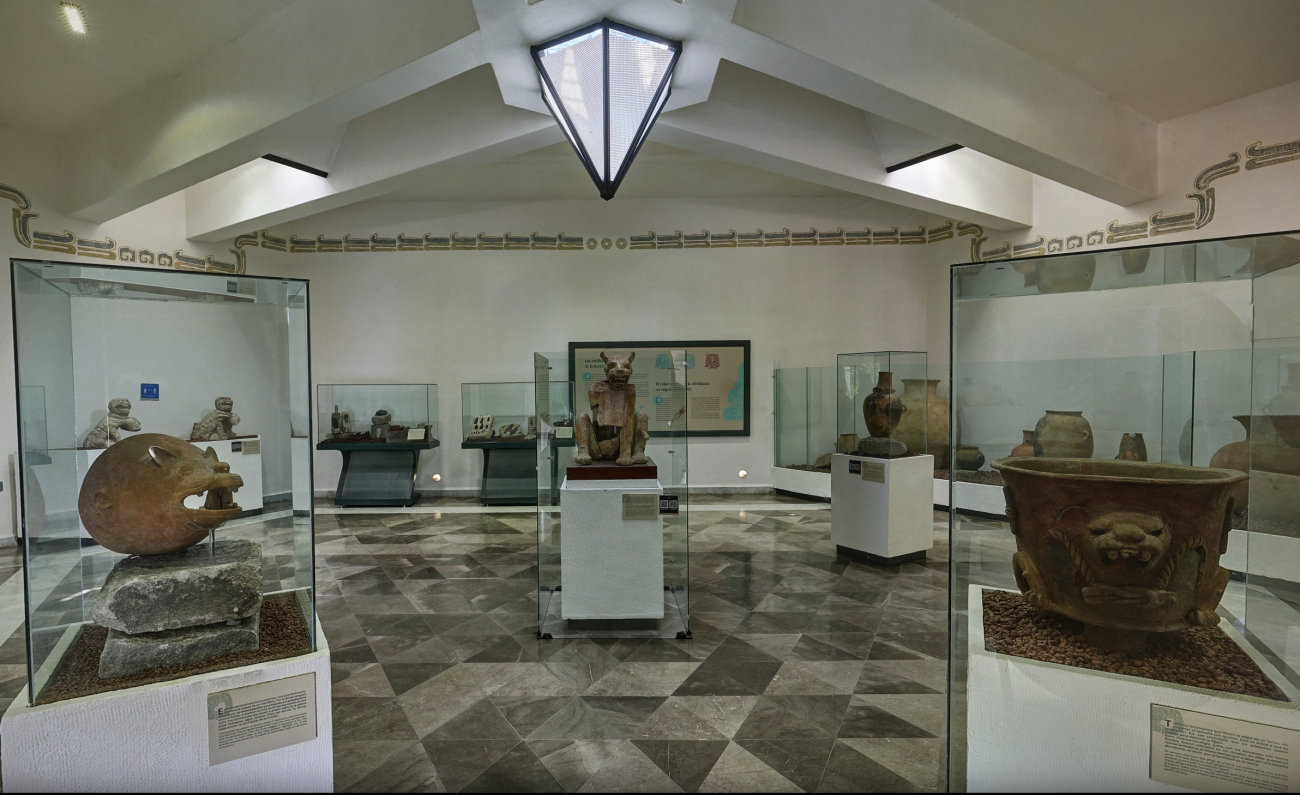
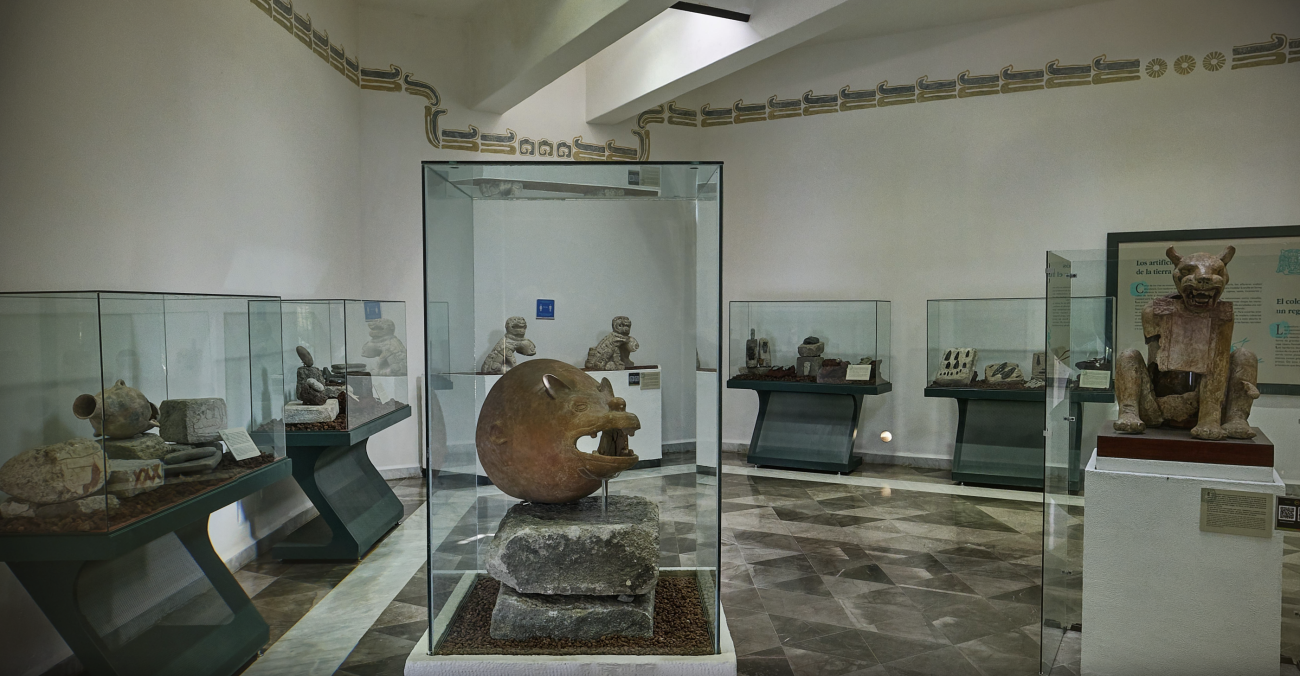
This room explores the tools and objects of daily life, as well as items linked to religious practices and personal adornment. One of the featured pieces is a ceramic jaguar, which exemplifies the creativity and skill of the artisans. It is surrounded by other beautiful ceramic sculptures, such as the frog-shaped jar, the effigy incense burner, and a sculpted head of a fox or coyote. Stone-carved jaguars highlight the artisans’ expertise—especially considering the stone tools used to craft them.
Rituals of the Game
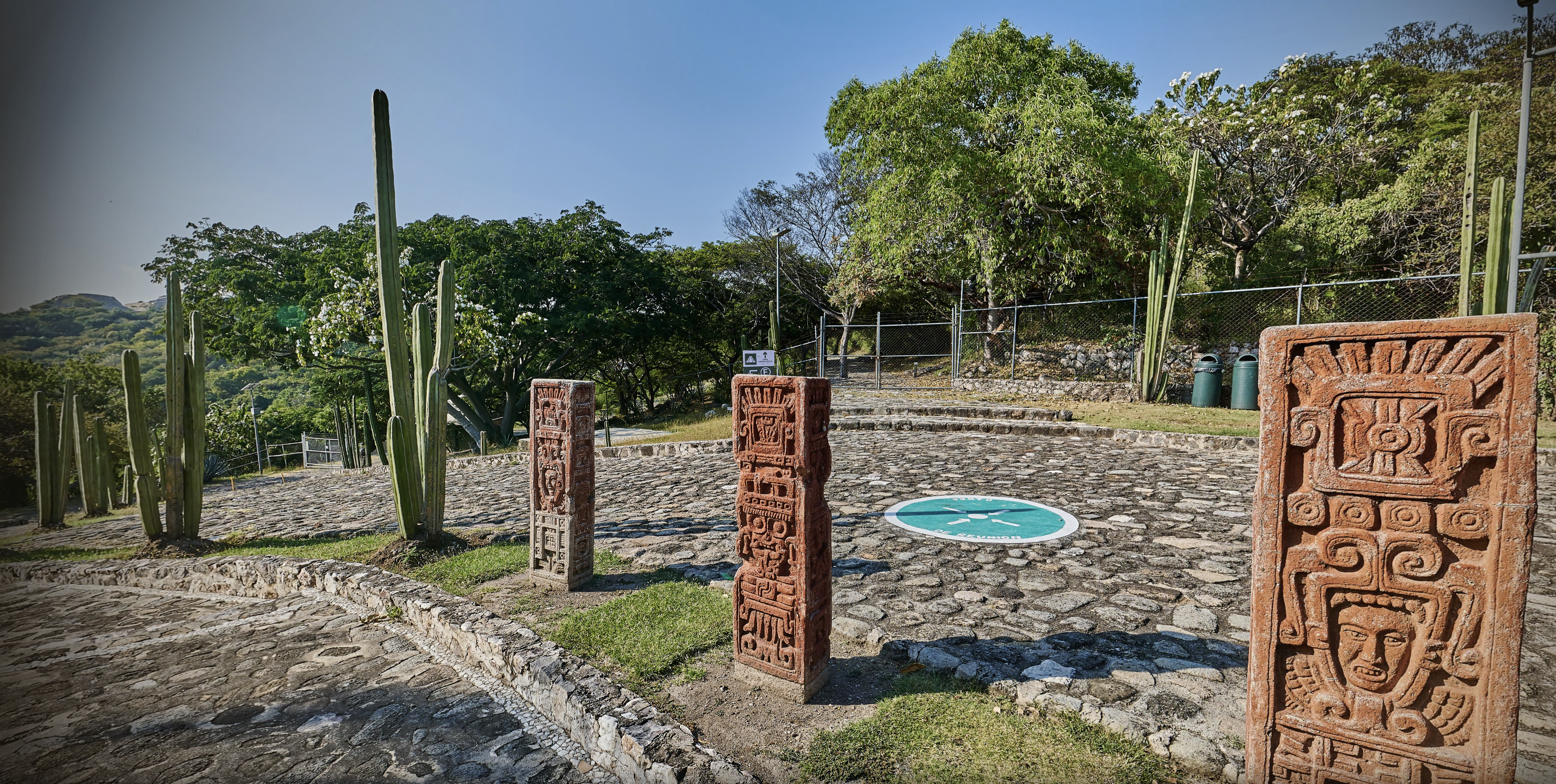
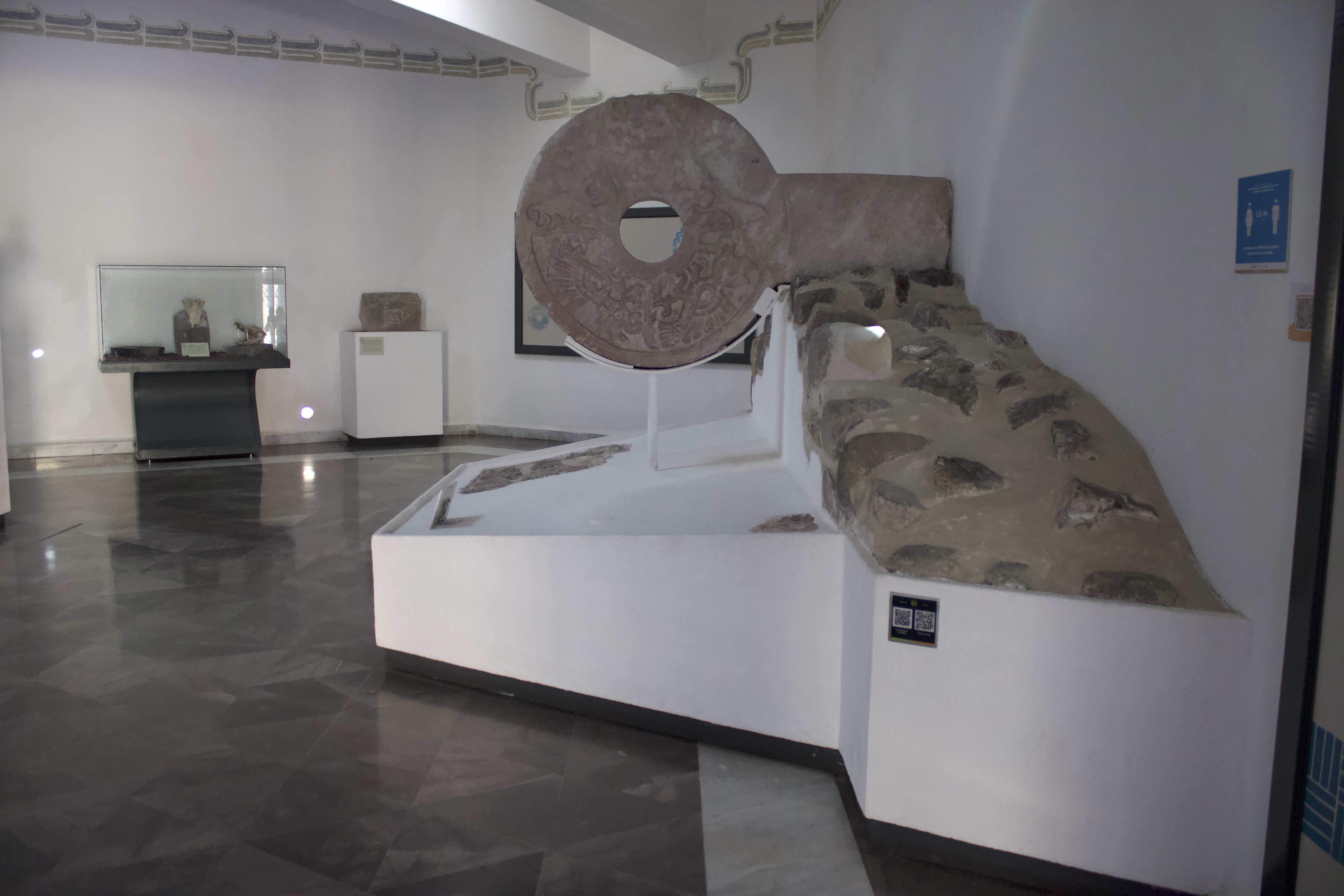
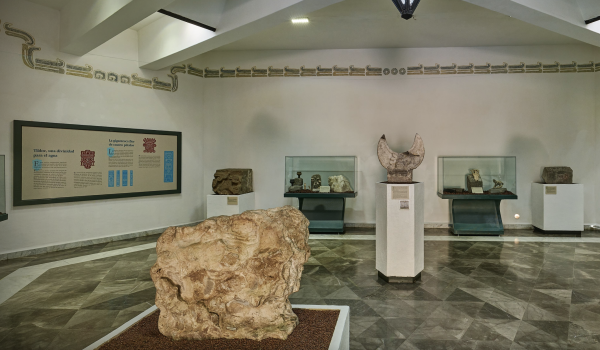
The main theme of this room is Mesoamerican religion. Several sculptures depict this belief system, the most notable being the ring from the East Ballcourt, which represents the cyclical nature of time through macaws and bats, symbolizing day and night. Unusually shaped stelae also stand out: one,…
Rituals of the Game
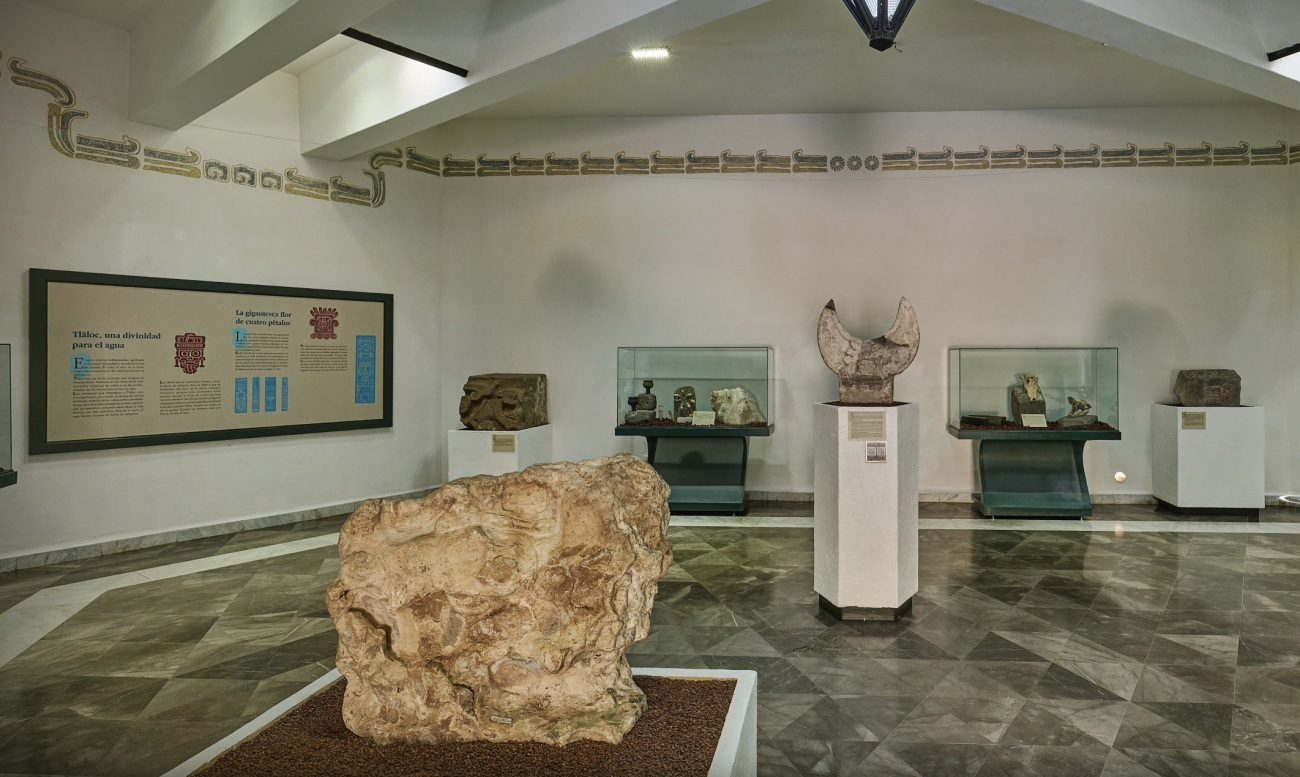
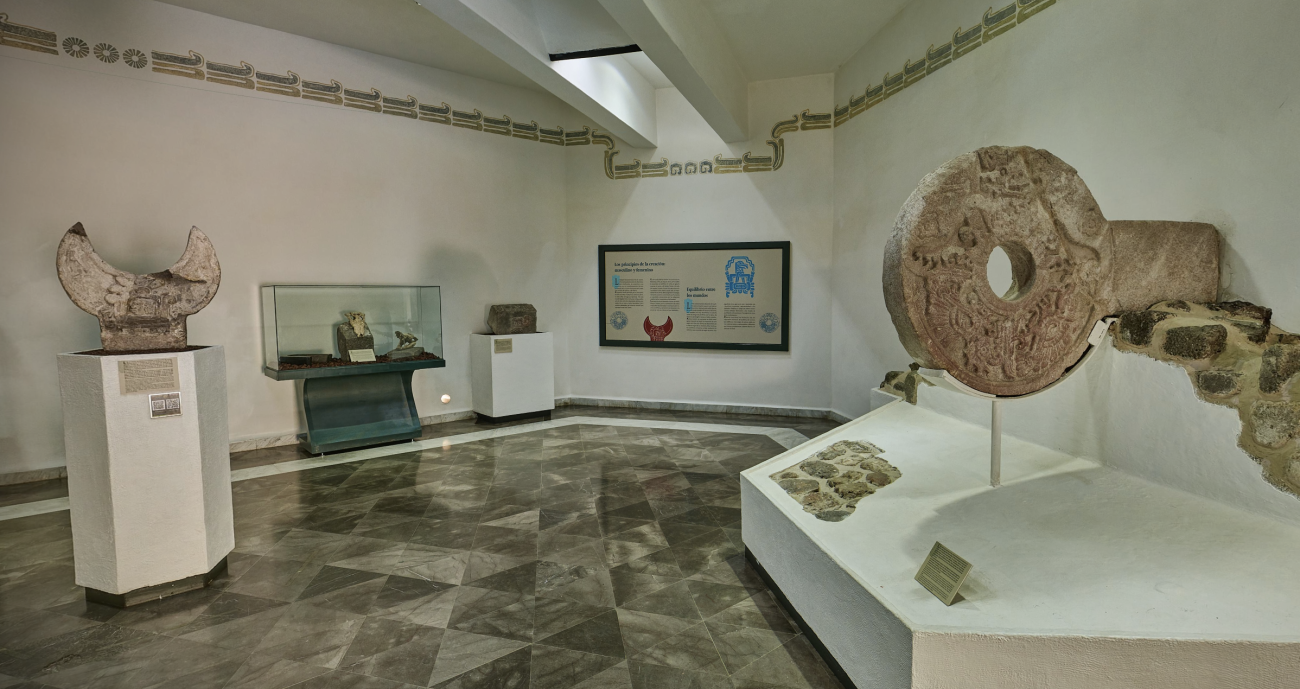
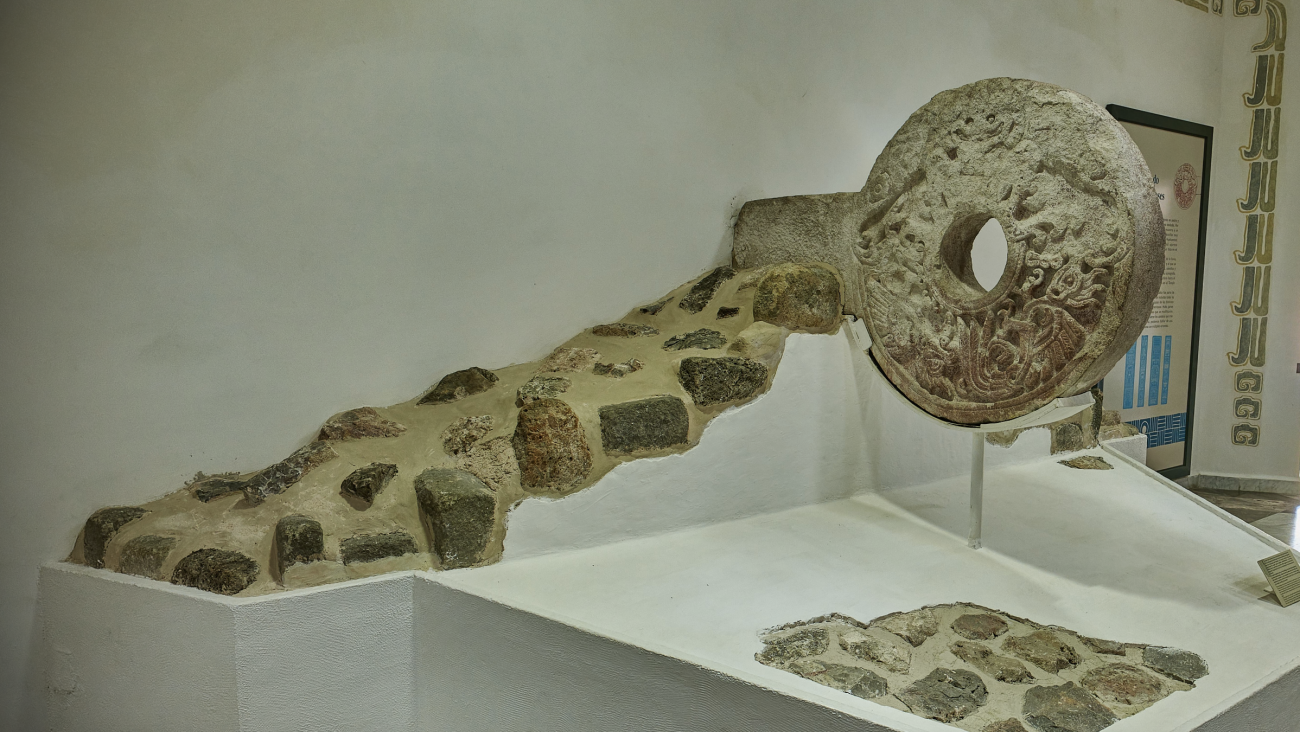
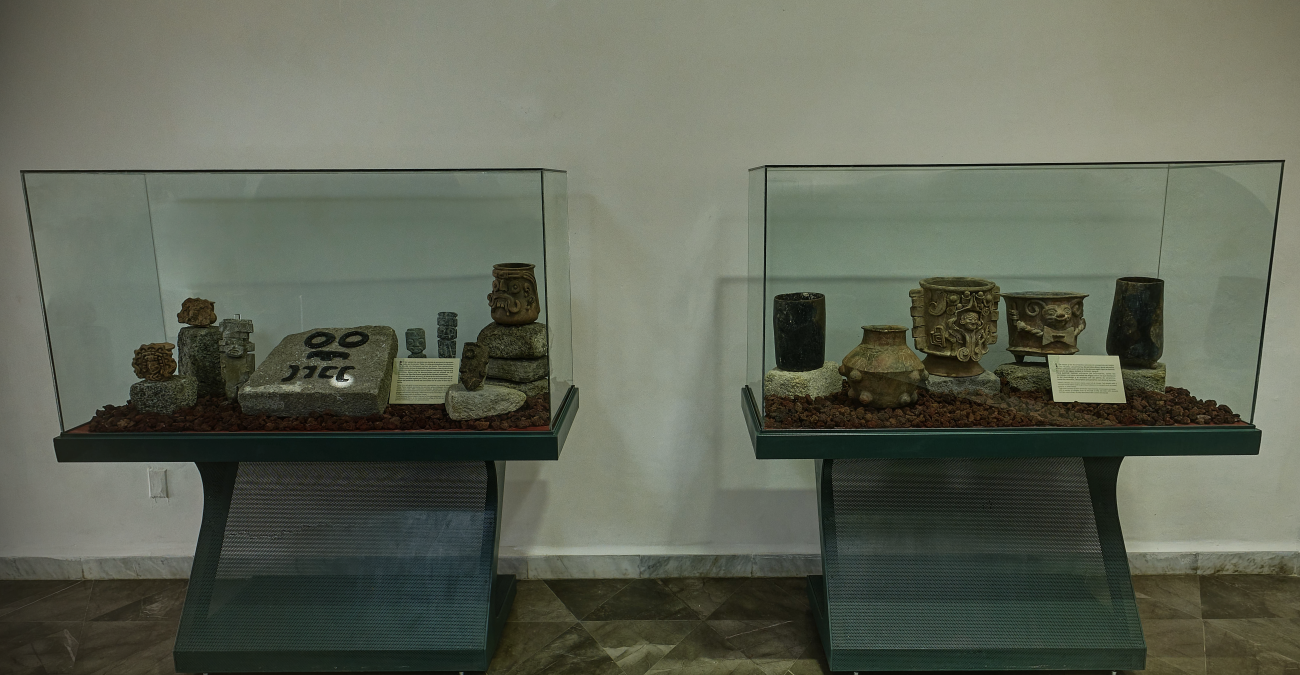
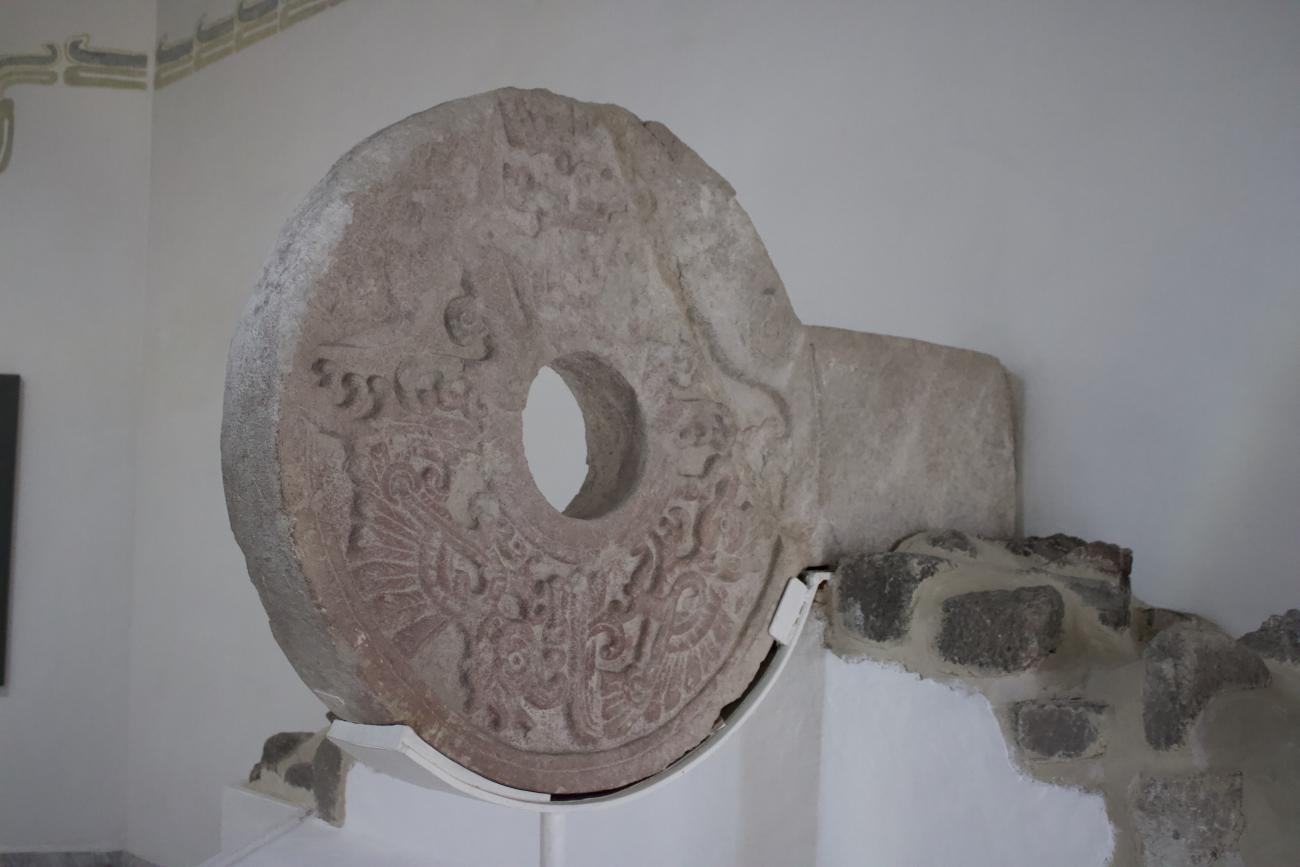
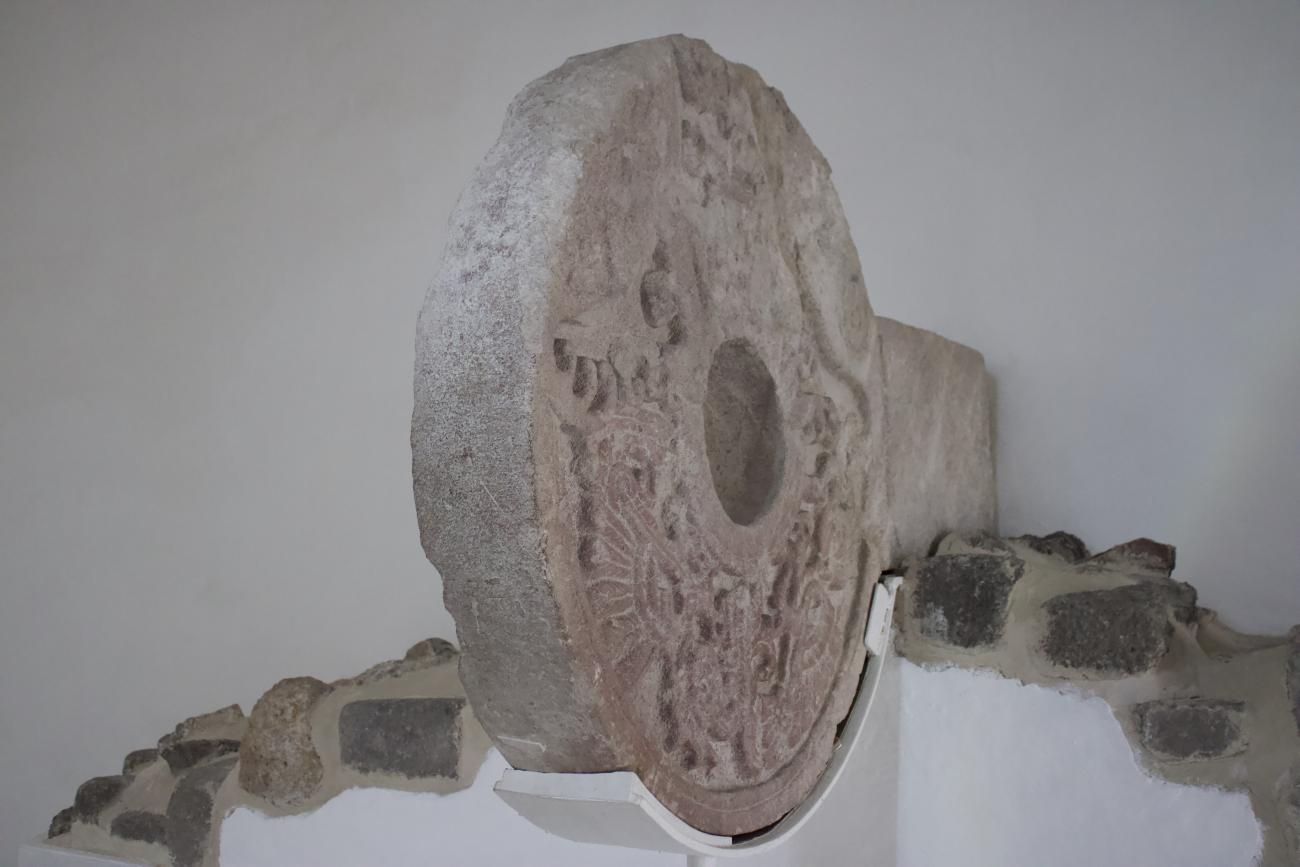
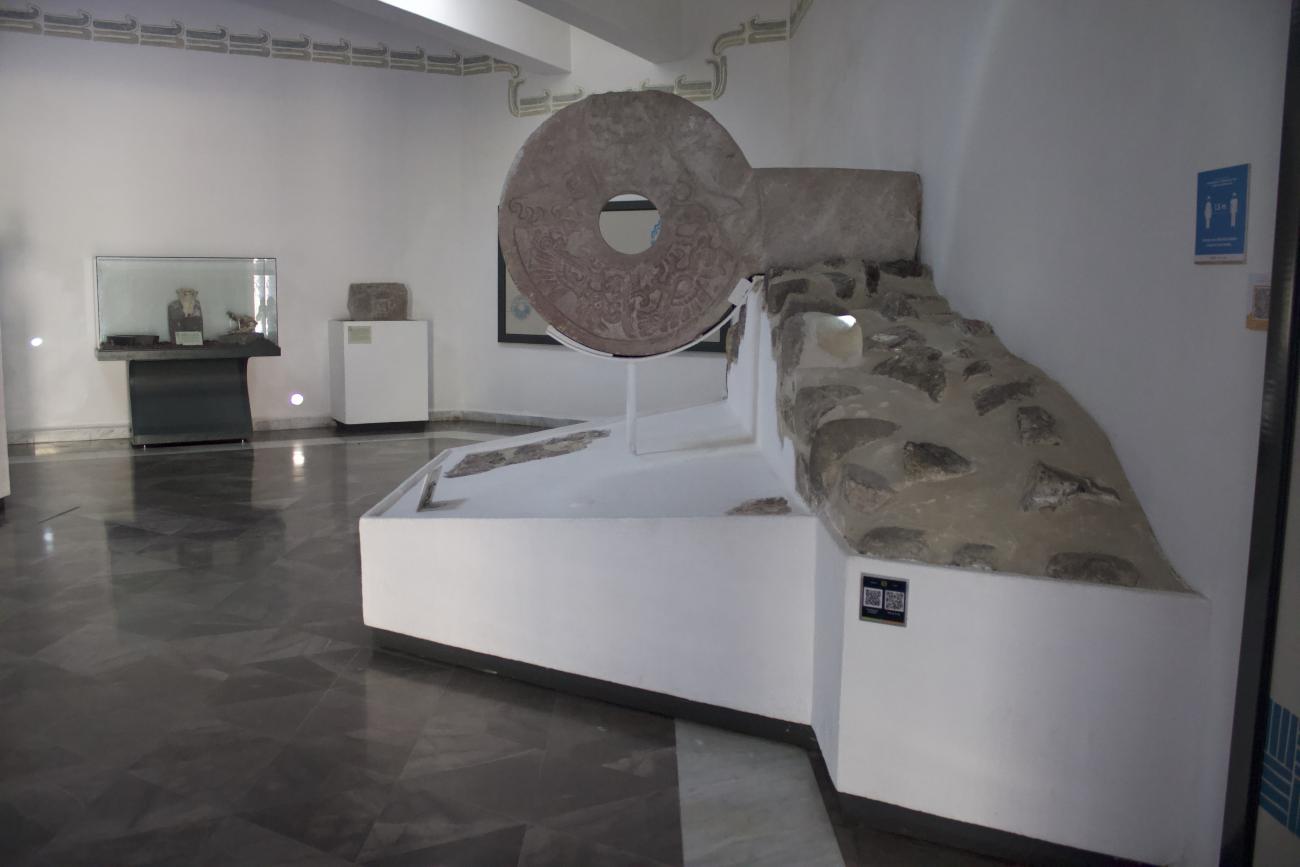
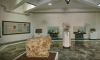
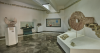
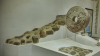
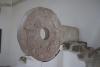

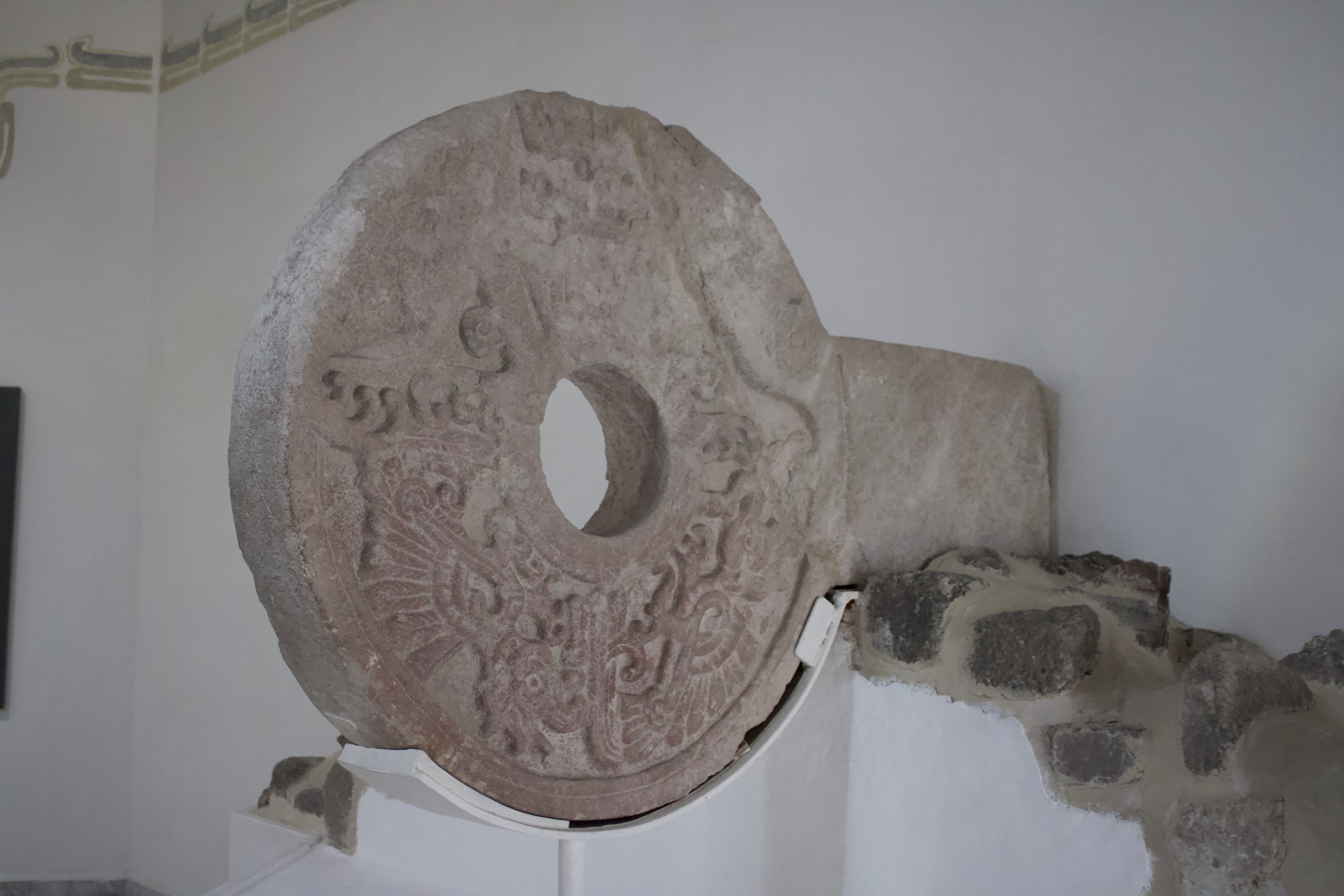
The main theme of this room is Mesoamerican religion. Several sculptures depict this belief system, the most notable being the ring from the East Ballcourt, which represents the cyclical nature of time through macaws and bats, symbolizing day and night. Unusually shaped stelae also stand out: one, marked “10 Death,” symbolizes the end of the day; the other features abstract depictions of the five cosmic trees that support the sky, known as "quincunxes". Other objects—like caiman jaws symbolizing the earth—reflect Xochicalco’s deep religiosity. The prominent worship of Tlaloc is evident in Tlaloc jars, obsidian eccentrics, and stamps highlighting the deity's attributes.
Everyday Spaces, Times of Togetherness
Here, visitors can see a reconstructed house complete with its furnishings and spatial layout. The room showcases construction techniques and various vessels used for storing water and grains or for cooking and serving food. A notable feature is the consistent presence of domestic altars and…
Everyday Spaces, Times of Togetherness
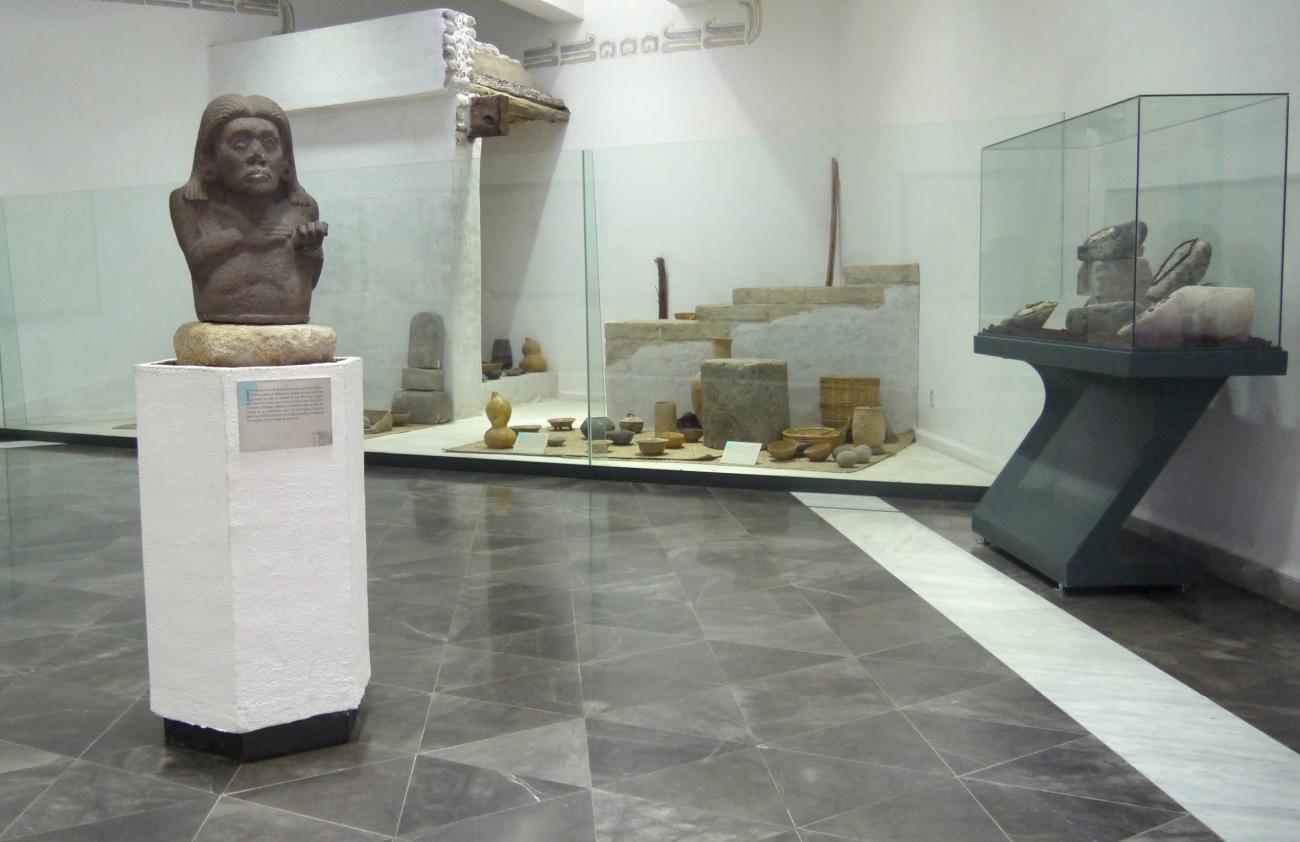
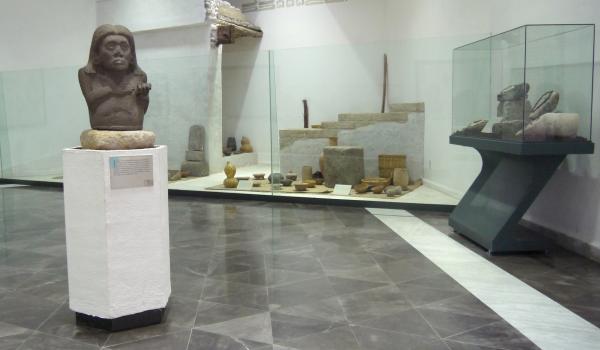
Here, visitors can see a reconstructed house complete with its furnishings and spatial layout. The room showcases construction techniques and various vessels used for storing water and grains or for cooking and serving food. A notable feature is the consistent presence of domestic altars and related items. As part of everyday life, the sculpture known as the “Lord of Xochicalco” is also displayed, offering a glimpse into the physical appearance of the region’s ancient inhabitants.
The Jewel Corridor
This transitional space links the Introduction Room with the first group of galleries. It contains six niches featuring pieces considered the “Jewels of Xochicalco,” including evidence of mass production using molds, a Teotihuacan-style mask, a jaguar-shaped brazier, a flower-shaped sculpture, a…
The Jewel Corridor
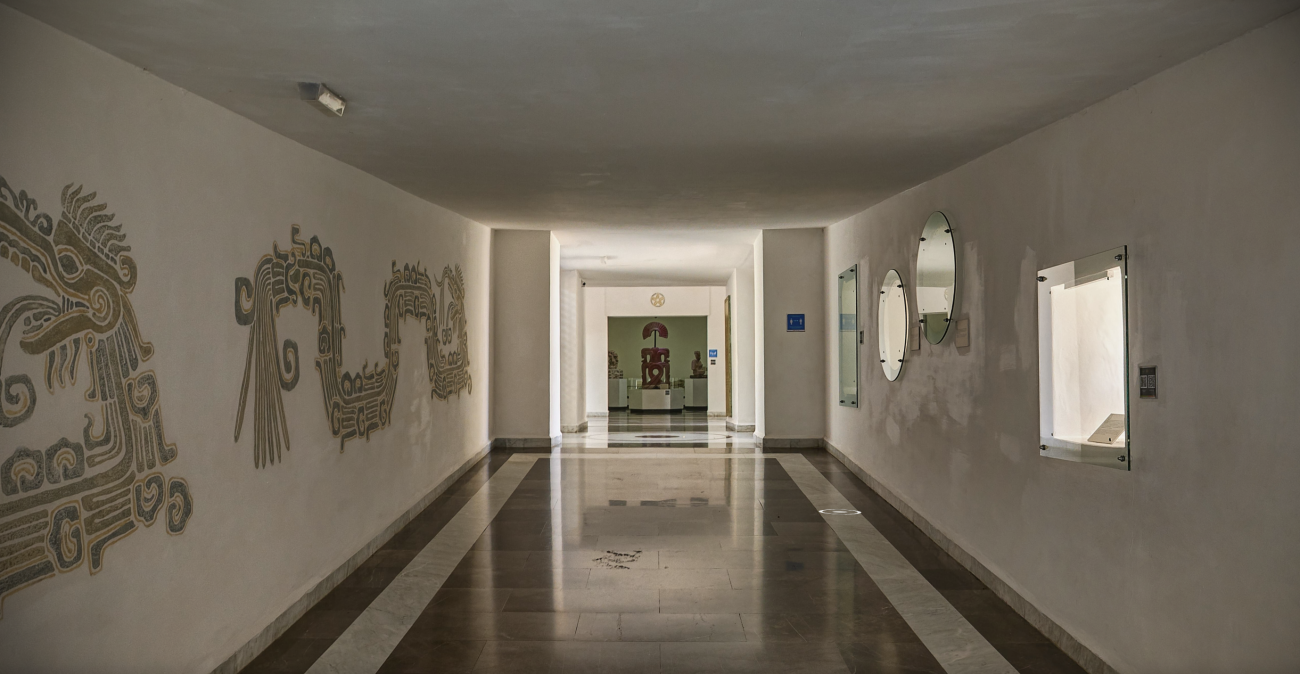
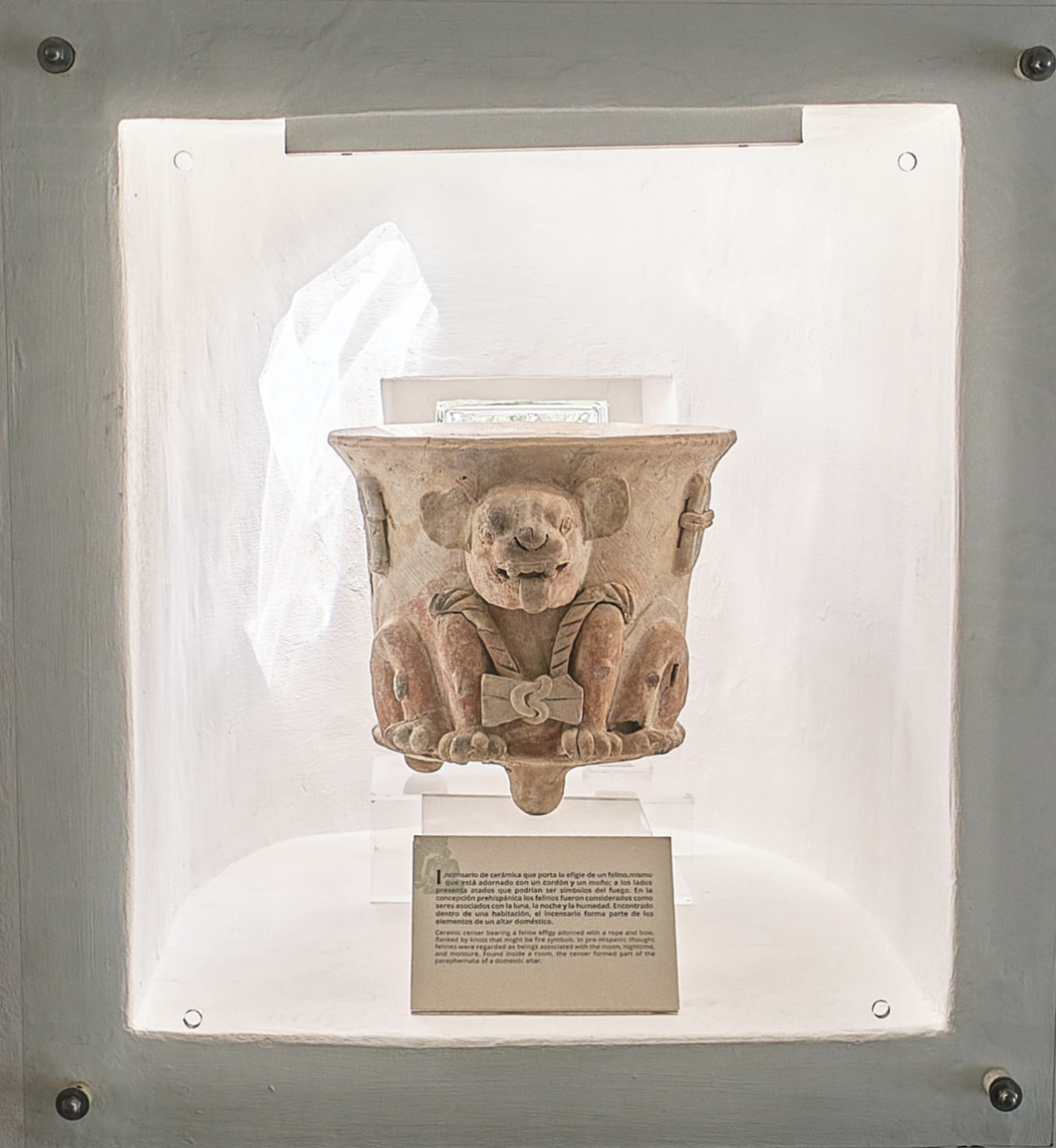
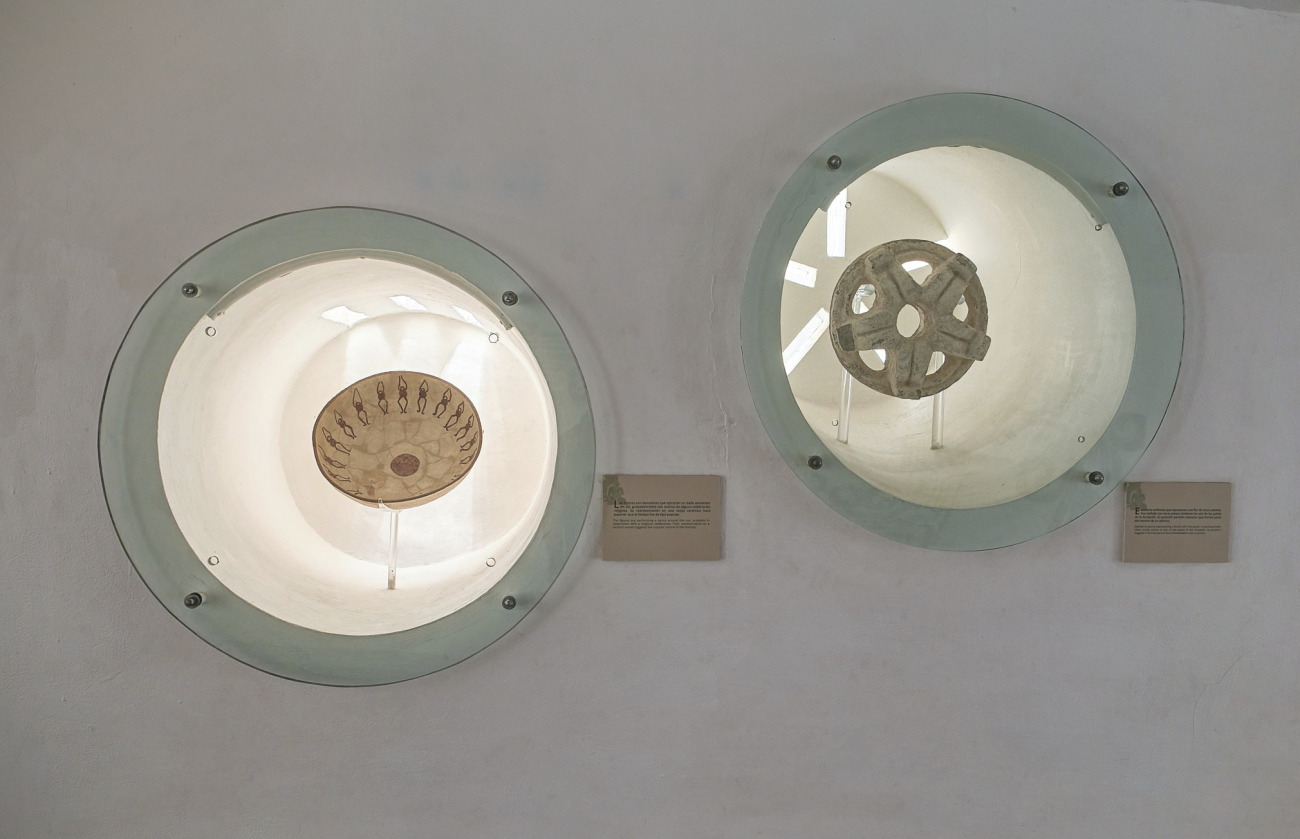
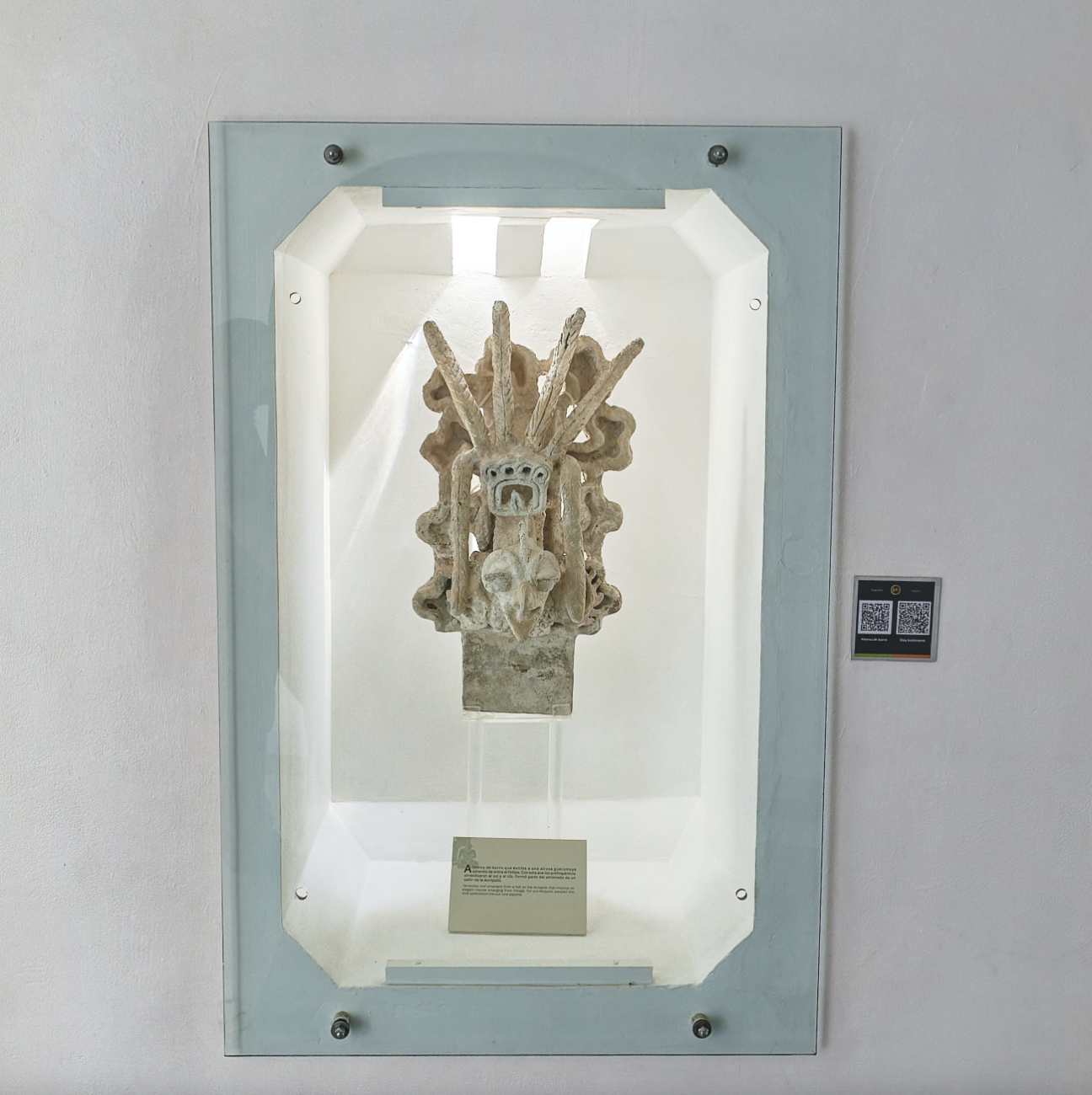
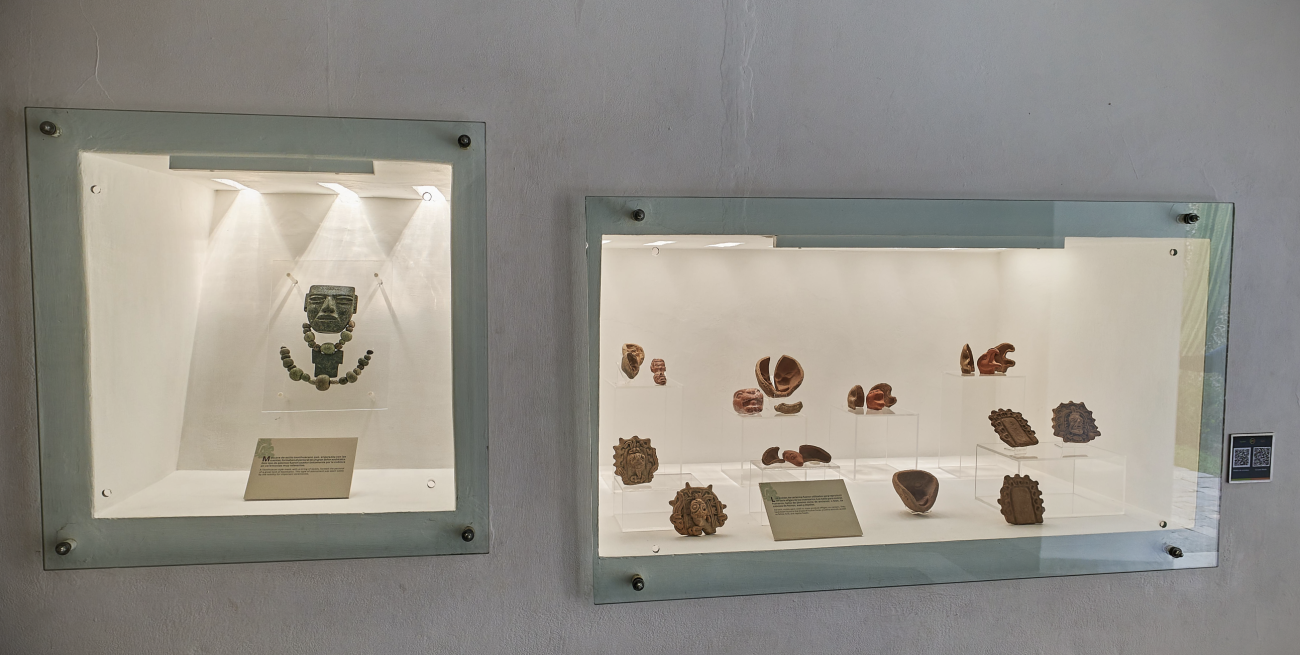

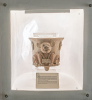
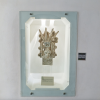
This transitional space links the Introduction Room with the first group of galleries. It contains six niches featuring pieces considered the “Jewels of Xochicalco,” including evidence of mass production using molds, a Teotihuacan-style mask, a jaguar-shaped brazier, a flower-shaped sculpture, a dish with dancing figures, and a decorative crest shaped like a macaw.
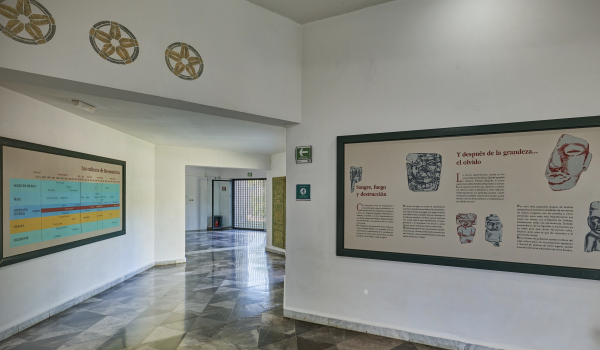
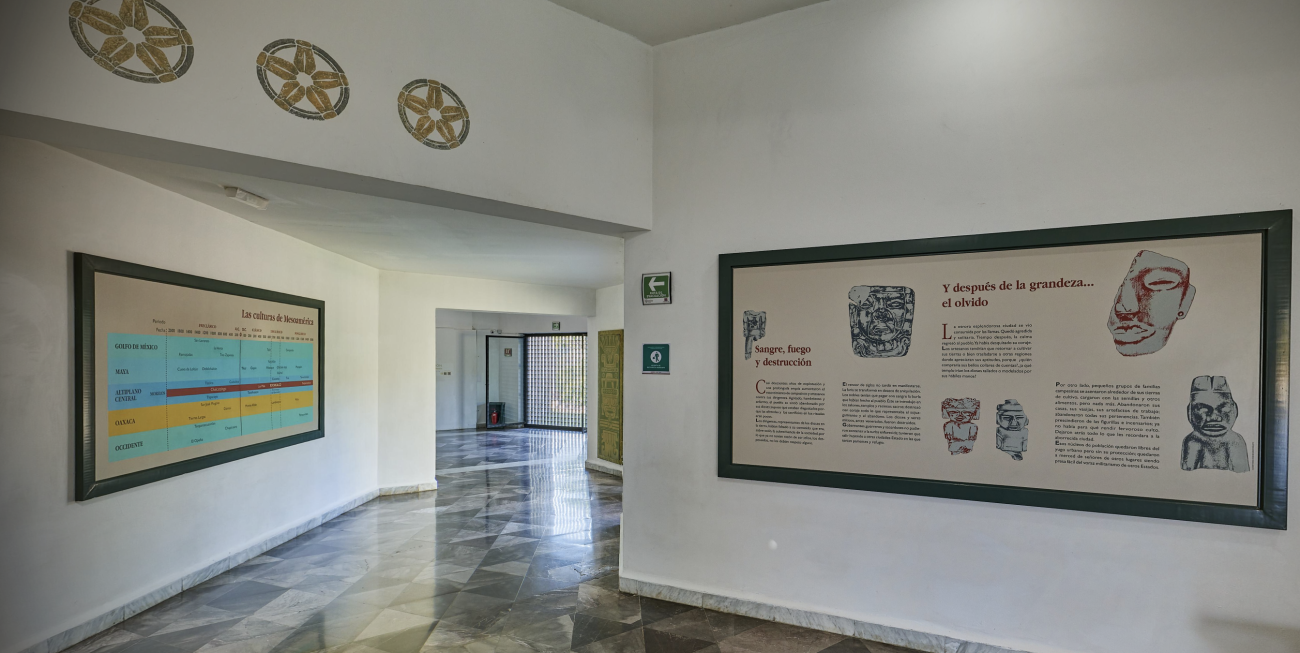
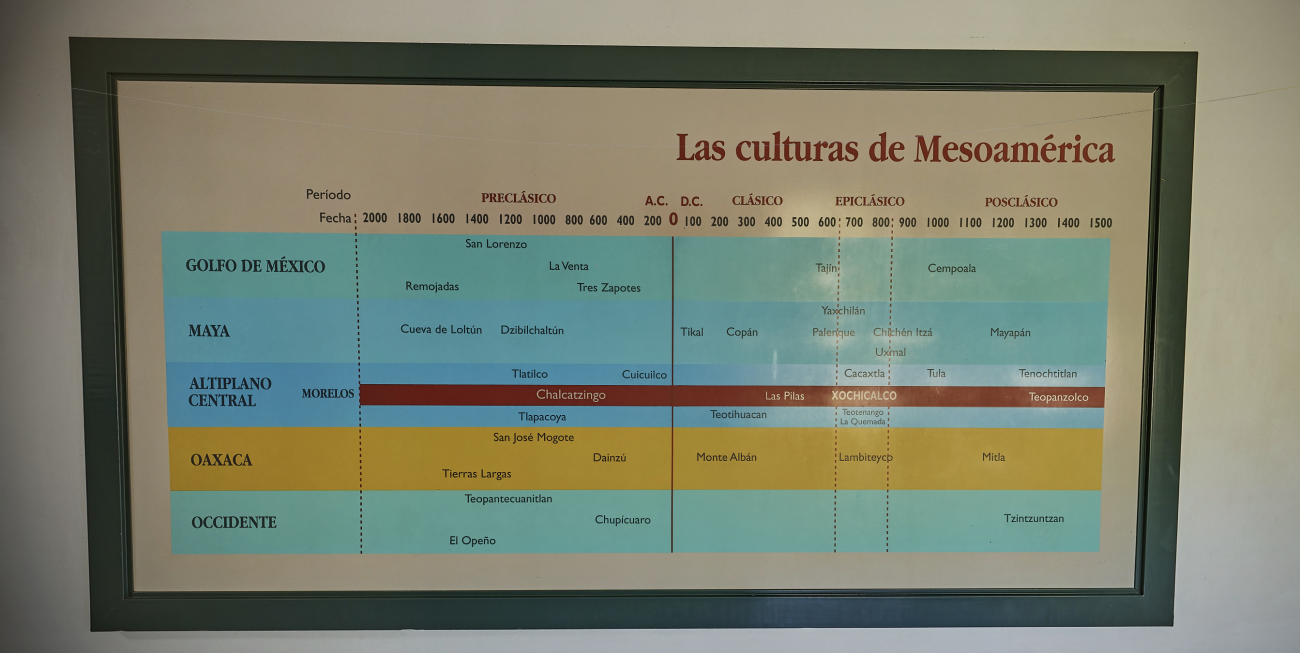
Chronology Hallway
Located between the first and second group of galleries, this area briefly presents the history of researchers and enthusiasts who have studied Xochicalco. A chronological chart helps visitors place Xochicalco in time and in relation to other archaeological sites in Mexico.

Document
- DirecciónJosé Cuauhtli Alejandro Medina Romerocuauhtli_medina@inah.gob.mx+52 (737) 374 30 90AdministraciónAlejandro Orozco Jaimezaorozco.mor@inah.gob.mx+52 (737) 374 30 91SeguridadPlacido Miranda Lópezxochicalco.mor@inah.gob.mx+52 (737) 374 3091Comunicación EducativaÁngel Gómez Hernándezxochicalco.mor@inah.gob.mx+52 (737) 374 3092